
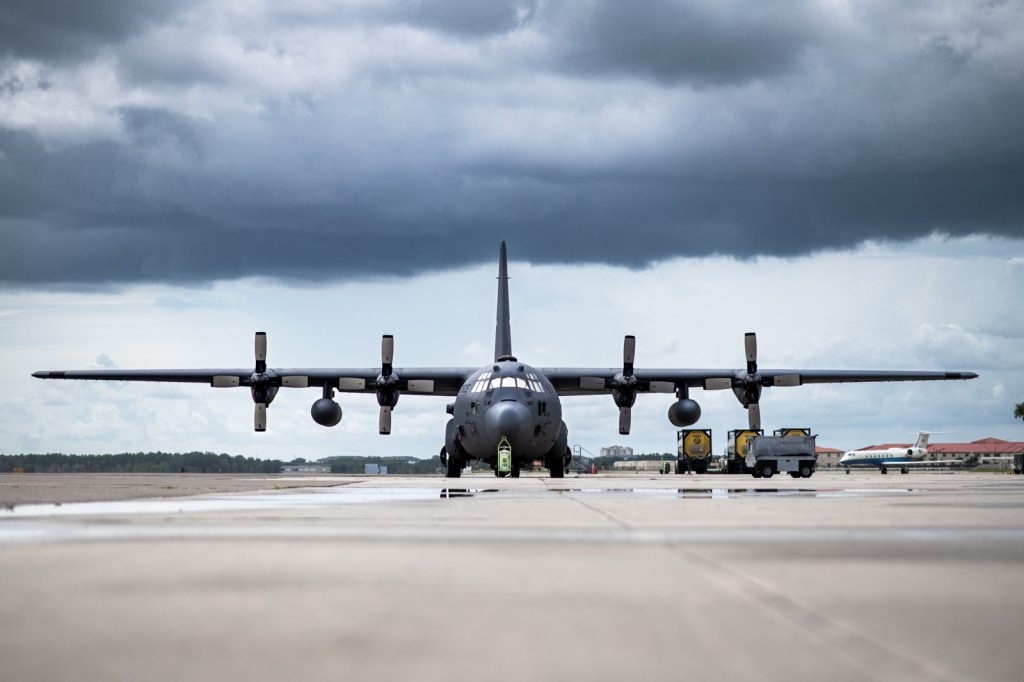
TAMPA, July 19 — For the roughly 40,000 American service members deployed across the Middle East, North Africa, and Central Asia, the command structure that oversees their safety is United States Central Command (CENTCOM). Based at MacDill Air Force Base in Florida, with a forward headquarters at Camp Arifjan in Kuwait, CENTCOM has been the cornerstone of U.S. military operations in one of the world’s most volatile regions since 1983. CENTCOM’s area of responsibility covers 21 countries — a list that includes Iran, Iraq, Syria, Jordan, and Afghanistan.
That geography means the command’s forces operate from a network of bases stretching from the Persian Gulf to the Horn of Africa. Key hubs include Al Udeid Air Base in Qatar, which serves as CENTCOM’s forward presence; Al Dhafra Air Base in the United Arab Emirates; and Camp Lemonnier in Djibouti.
In Iraq, the U.S. maintains Erbil Air Base and Al-Asad Airbase. In Syria, forces are stationed at Al-Tanf garrison and the Conoco Mission Support Site.
Responding to threats
The human side of this mission became starkly visible during the Israel–Hamas war. Between October 2023 and February 2024, CENTCOM conducted some 150 retaliatory strikes against Iranian-backed groups. One major wave hit on February 2, 2024, when assets from multiple military branches struck targets: B-1B Lancers from the 28th Bomb Wing at Ellsworth Air Force Base, F-15E Strike Eagles, and naval forces from the USS Dwight D.
Eisenhower Carrier Strike Group. These operations are all part of a broader effort that includes coordinating with the entire coalition for Operation Inherent Resolve.
The man in charge since April 2022 is General Michael Kurilla. Testifying before Congress in 2023, Kurilla warned lawmakers that Iran’s proxy network represents the greatest threat to U.S. forces in the region. That assessment has shaped how CENTCOM allocates its resources — from monitoring Iran’s missile launches to tracking maritime activity in the Strait of Hormuz and intercepting arms smuggling.
For the families watching from home
Behind every base and every strike are the families of those 40,000 troops — spouses, children, parents who follow the news from a distance. CENTCOM’s forward-deployed personnel live at facilities like Camp Arifjan in Kuwait or Camp Lemonnier in Djibouti, places far from the American heartland. The command’s work is not just about strategy; it is about the people who carry it out and the loved ones who wait for their safe return.
As the security landscape shifts, CENTCOM continues to adapt. General Kurilla’s warning about Iran’s proxy network remains a central concern.
For the service members stationed at Al-Tanf or patrolling the waters off the Strait of Hormuz, the mission is as personal as it is strategic.
Sources
{“@context”: “https://schema.org”, “@type”: “NewsArticle”, “headline”: “U.S. CENTCOM Under Scrutiny Over Middle East Operations”, “description”: “TAMPA, July 19 — For the roughly 40,000 American service members deployed across the Middle East, North Africa, and Central Asia, the command structure that…”, “datePublished”: “2026-07-19T09:30:00+00:00”, “author”: {“@type”: “Person”, “name”: “James Roberto”}, “publisher”: {“@type”: “Organization”, “name”: “InfoPulse Today”, “url”: “https://newsfeed.infopulsetoday.com/”}, “citation”: [{“@type”: “CreativeWork”, “url”: “https://en.wikipedia.org/wiki/United_States_Central_Command”}]}




