
Shareholders who purchased AeroVironment Inc. stock during a period the company is accused of making fraudulent statements still have time to seek appointment as the lead plaintiff in a securities class action, but the opportunity is limited. The law firm Glancy Prongay Wolke & Rotter LLP, which announced the lawsuit, has issued a public notice inviting affected investors to come forward. Under federal procedure, a lead plaintiff will be appointed by the court within roughly 60 to 90 days of that notice.
This lead plaintiff, often an institutional investor or a group of shareholders, serves as the class representative and directs the litigation on behalf of all other class members.
Legal Timeline and Next Steps
Once the court selects a lead plaintiff, that party’s legal team files an amended complaint. This document provides specific details: it identifies which public statements by AeroVironment management were allegedly false or misleading, and it explains how those statements affected the company’s stock price.
In straightforward terms, the amended complaint traces the link between what AeroVironment said and the financial losses experienced by investors. After the amended complaint is filed, AeroVironment has the opportunity to file a motion to dismiss the lawsuit. If a federal judge denies that motion, the case moves into the discovery phase.
During discovery, both sides exchange evidence—internal emails, financial records, and witness depositions—and the factual record of what took place begins to take shape. The entire securities litigation process can take several years, though the specific timeline for this case is not spelled out in court filings.
Many securities class actions settle before ever reaching trial, with settlements that can range from millions to hundreds of millions of dollars. If the court grants AeroVironment’s motion to dismiss, the case ends at an early stage. For shareholders weighing whether to contact the law firm, the key deadline is the 60-to-90-day window for the lead plaintiff appointment.
Company Background and Strategic Stakes
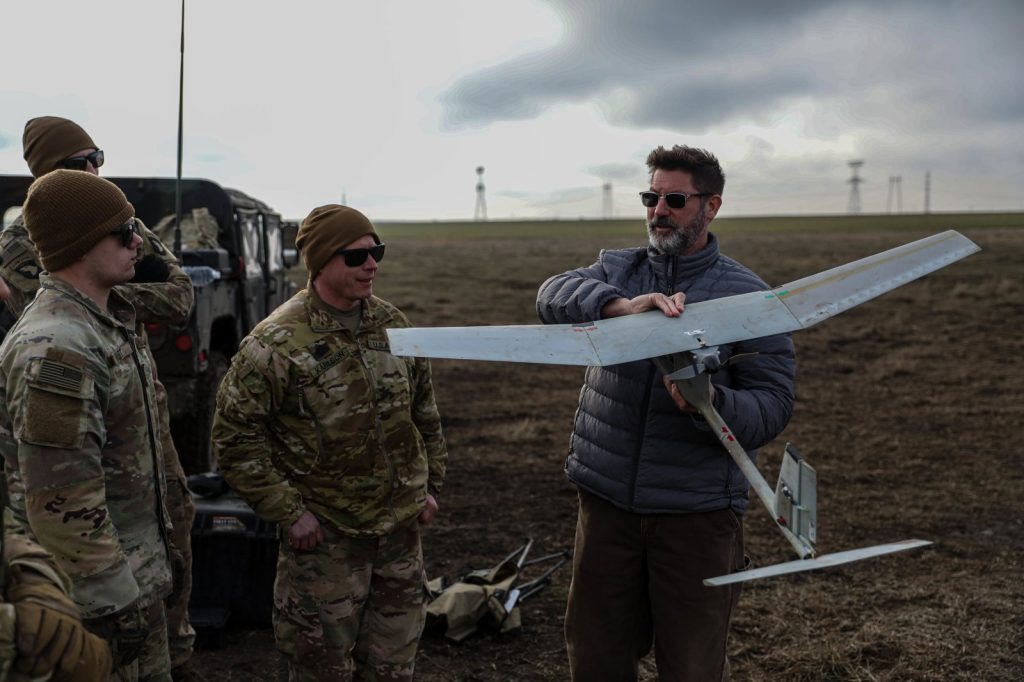
AeroVironment is an American defense technology company that designs and manufactures space systems, autonomous systems, and counter-unmanned aircraft systems. The company was founded in 1971 by Paul B.
MacCready Jr., beginning with an emphasis on human-powered aircraft. Over time, it shifted to solar-powered planes and unmanned aircraft for national security missions. Today, AeroVironment supplies small and medium-sized drones to the U.S. Department of Defense and to foreign militaries.
Its product portfolio includes the Puma, Raven, Wasp, and Switchblade systems. In 2025, AeroVironment expanded its capabilities by acquiring BlueHalo, a developer of counter-UAS, cyber, and space technologies.
Recent international tensions have added external pressures. The Chinese government sanctioned AeroVironment following U.S. arms sales to Taiwan. Subsequently, the Chinese Ministry of Commerce placed AeroVironment on an export control list, barring the export of dual-use commodities to the company. These geopolitical developments matter because AeroVironment maintains a multi-billion dollar market capitalization and has deep ties to government defense spending.
Any legal dispute involving shareholder allegations can affect the perceived stability of a company that provides critical military hardware and space communications. As the case proceeds through the early legal stages, investors and analysts will watch for the lead plaintiff appointment and subsequent filings that will outline the specific allegations against the defense contractor.




