
Dissenting Views and Analytical Disputes
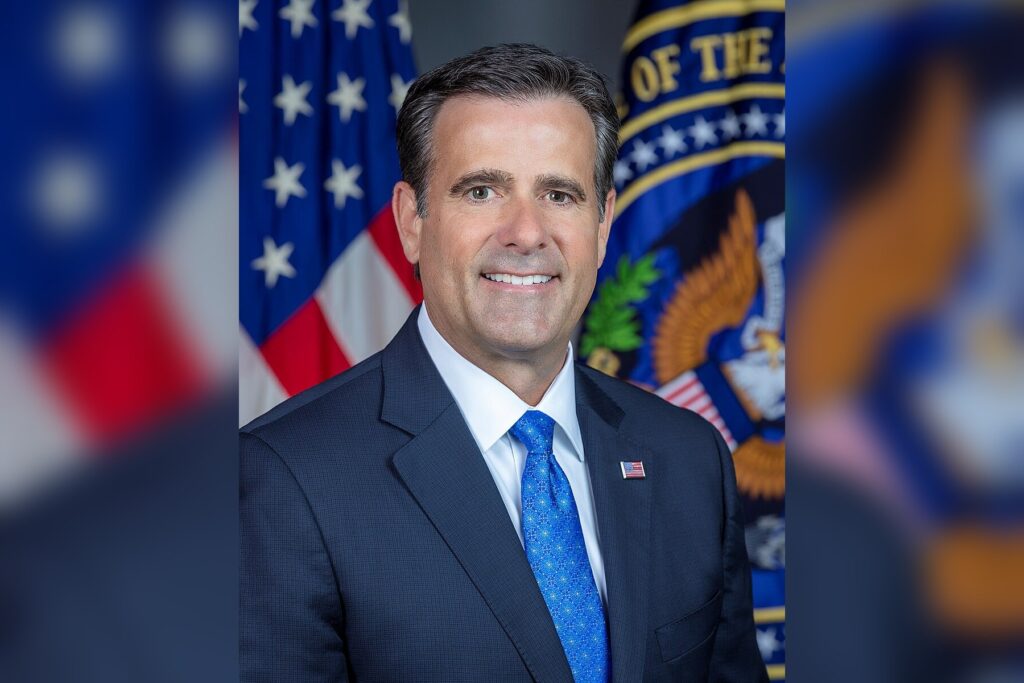
Attached to that assessment were a formal dissent and an analytic-ombudsman annex. These dissenting views are central to the current political controversy. Then-Director of National Intelligence John Ratcliffe, who led ODNI from May 2020 to January 2021 and now serves as CIA Director, wrote in a January 2021 letter that Russia and China had been assessed under different standards. He argued this “potentially leading to the false impression that Russia sought to influence the election, but China did not.”
The ODNI Analytic Ombudsman, Barry Zulauf, reported in a document delivered to the Senate Intelligence Committee that same month that some analysts appeared hesitant to characterize Chinese actions as undue influence. Zulauf also reported that disagreement with the administration’s China policy may have colored analysis. These findings suggest that internal disagreements over methodology and interpretation were present from the outset.
In 2026, Director Gabbard declassified a National Intelligence Council assessment dated January 15, 2020. That assessment found that China, along with Russia, Iran, and North Korea, had the capability to compromise U.S. election infrastructure. However, the assessment drew a critical distinction: capability is distinct from a decision to act. This distinction remains the core analytical question that the intelligence community has not yet resolved with consensus.
Ongoing Declassification and Inspector General Review
Gabbard’s Director’s Initiative Group referred to the Intelligence Community Inspector General, Christopher Fox, evidence that China’s role was de-emphasized in final products. Further declassification is pending, officials said. The claim that China interfered and that the finding was suppressed is the position advanced by Ratcliffe, Gabbard, and the ombudsman’s findings. By the standards of measured regional analysis, it is important to distinguish this as a documented dissent rather than the consensus conclusion of the intelligence community, whose majority assessment reached the opposite judgment.
The DNI is supported by the ODNI in producing the President’s Daily Brief, a highly classified document including intelligence from all IC agencies, shared each morning with the president. The DNI’s authority was strengthened by President George W. Bush on July 30, 2008, with Executive Order 13470, which solidified the DNI’s legal authority to direct intelligence gathering and analysis, and to set policy for intelligence sharing with foreign agencies and for hiring and firing senior intelligence officials. President Barack Obama gave the DNI further responsibility for the entire IC’s whistleblowing and source protection via Presidential Policy Directive 19 on October 10, 2012.
What to Watch Next
For readers who recall how intelligence assessments have shaped U.S. policy toward Iran and other nations, the pattern is familiar: a majority finding, a formal dissent, and subsequent political battles over which version is accepted as fact. The ICA remains available at dni.gov for anyone to see the majority finding, the confidence levels, and the recorded dissent for themselves.
What to watch next: the pending declassification from Gabbard’s office and whether the Inspector General’s review yields further documentation that could shift the debate. The distinction between capability and action, which the 2020 National Intelligence Council assessment itself drew, remains the core analytical question that the intelligence community has not yet resolved with consensus.




