
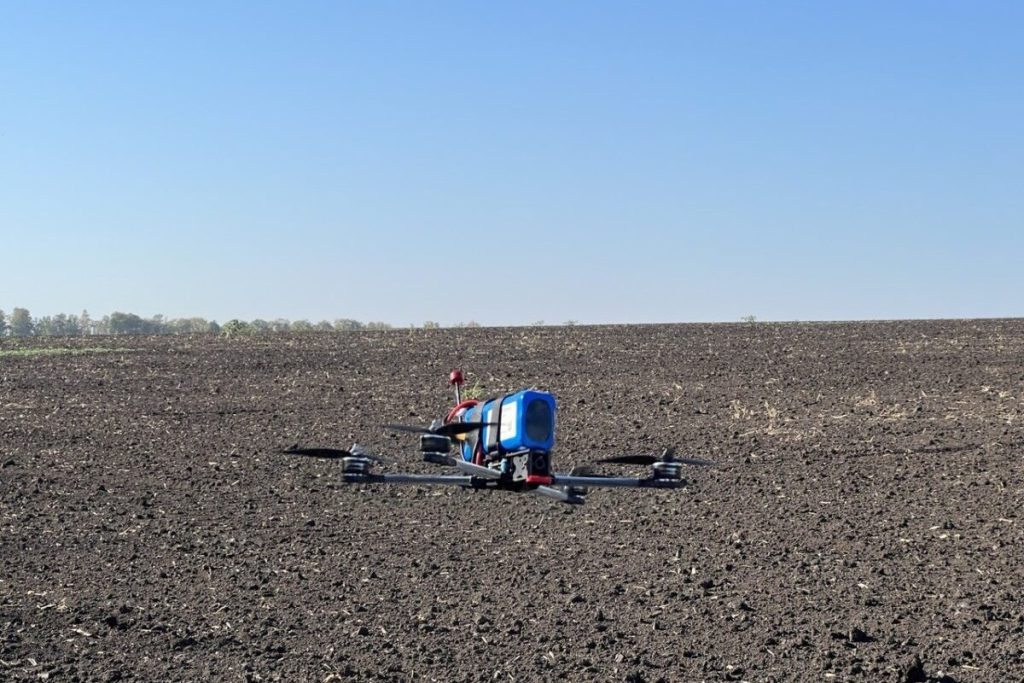
BERLIN, July 12 — Germany’s decision to fund drones for Ukraine is set to deliver a significant boost to the country’s domestic defense industry, with Rheinmetall and the private startup Helsing emerging as the primary corporate beneficiaries of the program. The funding flows from a €100 billion special defense fund established by Berlin in 2022 to modernize the German military. Against this backdrop, the drone contracts represent one of the more targeted investments in next-generation warfare technology.
The fund has already allocated €20 billion to Ukraine aid, and the new drone program will draw from these resources. Rheinmetall’s stock price rose 15% in 2024 following increased defense orders, and the company’s market capitalization has reached €25 billion.
Helsing, a private startup, has raised €450 million in venture capital since 2021, with a valuation of €2 billion. The two companies are positioned at the center of Germany’s push into drone technology. The economic impact of the program is already taking shape.
An estimated 5,000 jobs will be created in Germany, spanning engineering and manufacturing roles. The program also supports the wider European defense industrial base, with components sourced from EU suppliers.
This is not merely a German story, however.
Ukraine’s own drone industry
The economic effects extend well beyond Germany’s borders. In Ukraine, domestic drone production has grown to 100,000 units per year, creating 10,000 jobs. This expansion reflects the urgency of battlefield demand and the broader strategic shift toward unmanned systems in modern conflict.
What is at stake is Germany’s position in a rapidly growing global market. The global drone market is projected to reach $100 billion by 2030, driven overwhelmingly by military demand.
Germany’s investment positions it as a leader in drone technology, competing directly with U.S. firms such as General Atomics and Turkish companies like Baykar.
The wider picture
In the corridors of European defense ministries, the drone program is seen as a test case for how quickly the continent can build its own industrial capacity in a domain dominated by American and Turkish manufacturers. The program also signals a shift in German defense policy, which for decades was cautious about military exports and spending. The wider picture is one of a European defense industry adapting to a new era of high-tech warfare.
Rheinmetall and Helsing are now at the center of that adaptation, with the drone contracts providing both financial certainty and a proving ground for technologies that will shape the future of conflict.




