
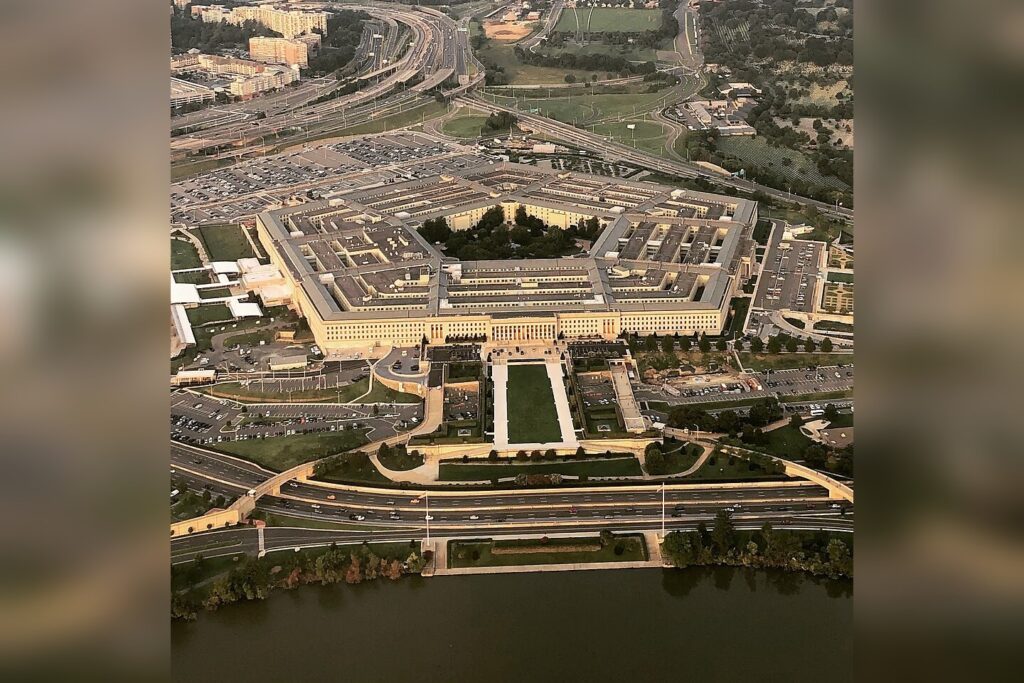
WASHINGTON, July 8 — The Pentagon has spent the better part of two decades quietly cataloguing encounters with unidentified anomalous phenomena, or UAP, and the technical reality is this: the objects keep showing up, and no one can yet say with certainty what they are. The 2021 Office of the Director of National Intelligence report established that UAP sightings near military installations and training ranges represent a concrete safety hazard. That was not speculative language from an intelligence assessment; it was a direct statement about risk to personnel and equipment.
The detail that matters here is that these are not isolated incidents occurring over empty ocean. They are happening where the US military trains, flies, and tests its most sensitive technology.
Under the hood of the reporting system, the numbers tell a story of persistent activity. Navy pilots from the USS Theodore Roosevelt reported multiple UAP encounters off the East Coast in 2014 and 2015. The objects appeared at altitudes up to 30,000 feet and moved at speeds exceeding Mach 2.
Those are not ambiguous observations from a single sensor; they are pilot reports backed by radar data, describing performance characteristics that exceed any known US or allied aircraft. The 2019 incident near Naval Air Station Oceana involved an F/A-18 Super Hornet that nearly collided with a UAP.
That is the kind of close call that gets a pilot’s full attention, and it is far from unique. The All-domain Anomaly Resolution Office, or AARO, documented 11 near-misses between UAP and military aircraft since 2004 in its 2023 report. Eleven incidents where the margin between a routine flight and a catastrophic mid-air collision was measured in seconds.
The Pentagon’s public position has evolved. Officials have expressed concern that some of these objects could be advanced drones from foreign adversaries — China or Russia, specifically — conducting surveillance over US airspace. The 2022 ODNI report stated that no UAP had been attributed to foreign technology, but added that the possibility could not be ruled out.
That is careful intelligence language for “we do not know, but we are not dismissing it.” The commercial aviation sector is not immune. The Federal Aviation Administration reported 23 UAP sightings by commercial pilots in 2022.
That figure represents airline crews flying scheduled routes with passengers on board, reporting objects that the FAA deemed worth recording. The Department of Homeland Security has assessed potential risks to critical infrastructure, though the specifics of those assessments remain classified. The Pentagon has implemented new training for pilots to report UAP without stigma.
That is a significant cultural shift inside an institution where pilots have historically been reluctant to file reports that could affect their careers. The message from leadership is clear: report what you see, because the alternative is operating blind.
The 2023 National Defense Authorization Act required the Secretary of Defense to develop a protocol for responding to UAP incursions over sensitive sites. That is a legislative mandate, not a bureaucratic suggestion. It means that when an object appears over a missile field or a nuclear weapons storage facility, there is now a defined procedure for how the military should react.
As ever with UAP, the gap between what is known and what is suspected remains wide. The declassified documents confirm that the objects are real, that they pose safety hazards, and that the US government is treating the issue with a seriousness that was absent a decade ago. What they do not yet answer is the question that matters most: who or what is operating them, and with what intent.




