
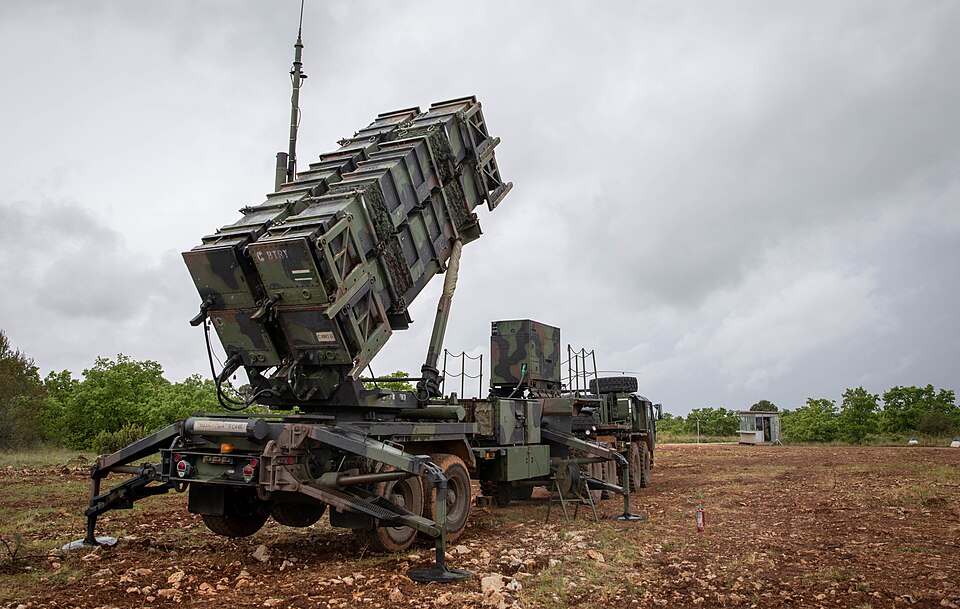
MANILA, July 8 — For communities across Asia watching the skies for signs of trouble, a new generation of radar technology is quietly reshaping what’s possible in missile defence. At the heart of the Patriot system sits the AN/MPQ-53 radar, a phased-array system that can track up to 100 targets simultaneously at ranges up to 170 kilometres. That means for families in crowded urban centres, the radar offers a layer of protection that was once the stuff of science fiction.
The AN/MPQ-53, along with its upgraded sibling the AN/MPQ-65, is the eyes of the Patriot battery. It’s a phased-array system, which means it can scan the sky electronically without moving parts, locking onto multiple threats at once.
For a region like Southeast Asia, where airspace is some of the busiest in the world, this capability matters. A single radar can watch over a stretch of sky that covers entire provinces, giving soldiers time to react. But the radar doesn’t work alone.
The Patriot system is built around four main components: the radar, the engagement control station (ECS), the launching stations, and the interceptor missiles. The ECS processes the data the radar collects and assigns engagements.
It’s the brain of the operation, making split-second decisions that could mean the difference between a safe neighbourhood and devastation. Each Patriot battery typically has four to eight launching stations, each armed with interceptor missiles ready to fly. The interceptor at the sharp end is the PAC-3 missile.
It uses hit-to-kill technology, meaning it destroys its target through sheer kinetic energy rather than carrying a warhead. No explosion, no shrapnel — just a precise, high-speed collision. Each PAC-3 missile is 5.2 metres long and weighs 312 kilograms, with a range of up to 160 kilometres.
It can engage targets at altitudes up to 24 kilometres. For families in cities like Manila, Jakarta, or Bangkok, that altitude means the system can intercept threats well before they reach populated areas.
A typical Patriot battery requires about 90 soldiers to operate and maintain. That’s a small army in itself, but it’s a fraction of the personnel needed for older systems. The U.S. Army operates 60 Patriot battalions as of 2024, a number that reflects the system’s continued importance in global defence postures.
For countries in Asia considering their own air defence needs, the Patriot system represents a proven, if costly, option. Closer to home, the implications are clear.
The AN/MPQ-53 radar’s ability to track 100 targets at once means it can handle saturation attacks — the kind of massed missile salvos that have become a hallmark of modern warfare. For communities in the Philippines, where territorial disputes and rising military tensions are a daily concern, this technology offers a tangible measure of security. It’s not just about hardware; it’s about what that hardware means for people going about their lives.
The phased-array technology behind the AN/MPQ-53 is a leap forward from older mechanical radars, which could only track a handful of targets at a time and required constant physical rotation. The electronic scanning is faster, more reliable, and harder to jam. That’s a critical advantage in a region where electronic warfare is an ever-present threat.
For soldiers manning the system, it means less guesswork and more certainty. What’s next for the AN/MPQ-53?
As of mid-2026, upgrades continue to focus on extending range and improving discrimination between threats and decoys. The system is also being integrated with other sensors and networks, creating a layered defence that can share data across borders. For Asia, where alliances are shifting and new threats emerge regularly, that kind of interoperability could be a game-changer.
{“@context”: “https://schema.org”, “@type”: “NewsArticle”, “headline”: “How the Patriot system uses radar, missiles, and battle management”, “description”: “MANILA, July 8 — For communities across Asia watching the skies for signs of trouble, a new generation of radar technology is quietly reshaping what’s…”, “datePublished”: “2026-07-08T09:30:00+00:00”, “author”: {“@type”: “Person”, “name”: “Merry Gel Sigui”}, “publisher”: {“@type”: “Organization”, “name”: “InfoPulse Today”, “url”: “https://newsfeed.2bme.xyz/”}}




