
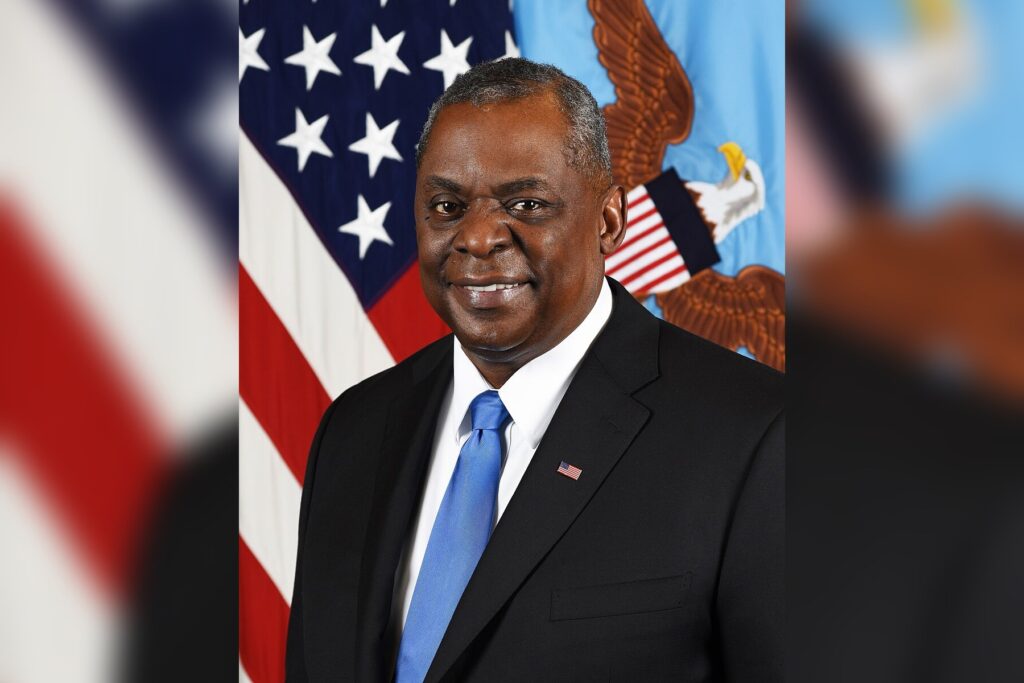
WASHINGTON — Lloyd Austin, the U.S. Secretary of Defense, announced the withdrawal of American forces from Estonia on October 12, 2024. The decision, according to the statement, was driven by the need to align U.S. military posture with the 2024 National Defense Strategy. Austin emphasised that the move did not represent a reduction in Washington’s commitment to NATO, but rather a rebalancing of resources.
Austin has served as Secretary of Defense since January 2021, making history as the first African American to hold the position. His background includes service as a four-star general in the U.S. Army, where he commanded forces in Iraq.
The withdrawal from Estonia comes amid broader strategic shifts under the current administration. Austin has overseen the U.S. response to the war in Ukraine, including the deployment of additional troops to Europe in 2022. His tenure has focused on countering China in the Indo-Pacific region.
This reorientation, according to the statement, is central to the 2024 National Defense Strategy. The decision to pull forces from Estonia has drawn attention from NATO allies.
Austin’s announcement sought to reassure partners that the U.S. remains committed to collective defence, even as it shifts resources. Estonia, a Baltic state that shares a border with Russia, has been a key location for NATO’s forward presence since 2014. The U.S. had rotated troops through the country as part of broader efforts to bolster the alliance’s eastern defences following Russia’s annexation of Crimea.
The timing of the announcement, in October 2024, placed it within a period of heightened geopolitical tension. The war in Ukraine continued. Austin’s move was framed as part of a long-term recalibration, not an immediate reaction to any single event.
Critics of the decision have questioned whether reducing the U.S. footprint in the Baltics sends the right signal to Moscow. Supporters argue that the Indo-Pacific focus is necessary to address the most significant long-term threat to global stability.
The withdrawal process is expected to proceed in coordination with Estonian authorities and NATO command structures. No specific timeline has been provided for the completion of the redeployment. Looking ahead, the focus will be on how NATO adjusts its force posture in the region and whether other allies step in to fill the gap left by U.S. forces.
The broader strategic context suggests that Washington’s pivot toward the Indo-Pacific will continue to shape its defence decisions for the foreseeable future.




