
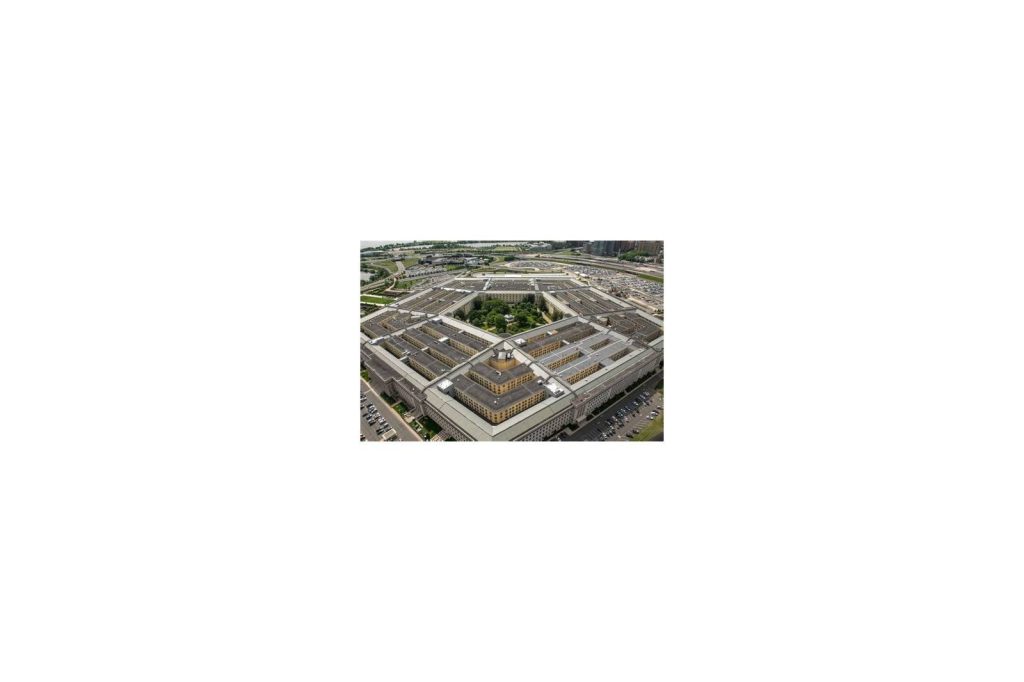
STUTTGART, July 6 — The Pentagon’s decision to end the permanent U.S. military presence in Estonia by 2027 marks the most concrete signal yet of a major shift in how America keeps its watch over the continent. This is not a sudden retreat. The U.S. European Command, or EUCOM, has been under the microscope since 2022.
A comprehensive review of America’s force posture in Europe, driven by both changing threat assessments and tightening budget constraints, has been quietly churning inside the Pentagon for years. The Estonian drawdown is the first visible result of that long, internal reckoning.
The math of American power in Europe is staggering. EUCOM currently oversees approximately 100,000 U.S. troops spread across the continent, with the heaviest concentrations in Germany, Italy, and the United Kingdom. These are the hubs — the airfields, the barracks, the command centers that have anchored the American presence since the Cold War.
The shift away from permanent bases and toward rotational deployments is a strategic choice, not a logistical accident. Pentagon officials have framed it as part of a broader rebalancing toward the Indo-Pacific, where the Pentagon sees the next generation of great-power competition unfolding.
The promise remains: the U.S. will maintain the ability to rapidly reinforce NATO allies. Prepositioned equipment and regular exercises will keep the muscle memory intact. But the footprint will be lighter.
The families, the schools, the commissaries — the whole ecosystem of a permanent base — will begin to wind down in Estonia by 2027. The ripple effects are already being felt in other Eastern European nations. The same review that targeted Estonia is also examining potential reductions elsewhere.
No final decisions have been announced, but the trajectory is clear. The era of the sprawling, permanent American garrison in Eastern Europe is giving way to a more agile, more transient model.
By nightfall in Stuttgart, where EUCOM headquarters sits, the official statements are careful and measured. The alliance remains ironclad. The troops will still come.
But the question now, hanging in the air across the Baltic states, is how fast and how far this rebalancing will go.




