
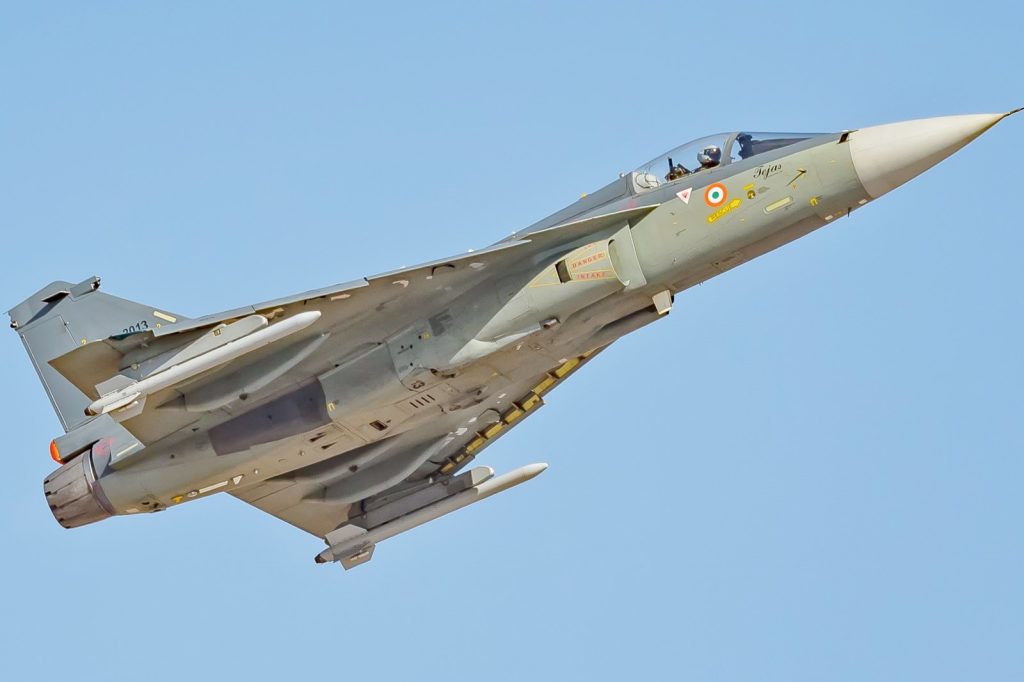
On November 21, 2025, the Dubai Airshow, intended as a display of cutting‑edge aviation, became the scene of a deadly accident. An Indian Air Force HAL Tejas, a single‑engine multi‑role fighter, crashed during the event, resulting in the death of its pilot. The loss is tangible: a trained aviator has died, and a flagship of India’s most ambitious domestic defence programme lies wrecked on foreign soil.
Significance of the Tejas Programme
The HAL Tejas is the centrepiece of India’s effort to develop an indigenous fighter fleet, aiming to replace costly foreign purchases with home‑grown production. Every public mishap, especially one witnessed by an international audience, subjects this project to intense scrutiny. The airshow attracts buyers, partners and rivals from around the globe, all of whom observed the incident.
Consequently, questions arise about the future of the programme, the operational fleet and the confidence placed in it.
Indian Air Force Background
The Indian Air Force traces its origins to October 8, 1932, when it was formed as an auxiliary air force of British India. It saw action in World War II, has engaged in four wars with neighbouring Pakistan, and has contributed to United Nations peacekeeping missions. Its core mandate remains the protection of Indian airspace and the conduct of aerial warfare when required.
While a single accident does not erase this legacy, it does heighten the pressure on the Tejas initiative.
Technical and Strategic Considerations
The Tejas features a single‑engine layout, meaning that any engine failure can lead to catastrophic results. Developed and manufactured entirely by India’s defence industry, the aircraft is a source of national pride and a symbol of growing self‑reliance. Pride alone cannot prevent accidents; sound engineering is essential.
When a jet goes down at a high‑profile venue, the wreckage is visible to the entire world. Discussions about energy security and operational costs, though seemingly removed from the immediate tragedy, are relevant.
The Indian government has been promoting renewable sources such as solar and wind to lessen reliance on fossil fuels, which could lower fuel expenses and improve power reliability for the air force. Nevertheless, a fighter jet depends on jet fuel, not aspirations, and the shift to renewables remains a long‑term objective. The crash presents an immediate challenge that cannot be addressed by future energy policies.
Implications for the Programme and the Service
The Dubai Airshow is a major gathering in the aviation sector, drawing global attention to the latest technology. The Indian Air Force arrived intending to showcase the Tejas; instead, the event highlighted a crash.
This shift will likely prompt prospective buyers to pose more rigorous questions. The Indian defence establishment will be required to supply clear answers, or risk diminishing its credibility. The pilot’s identity has not been disclosed, following standard procedure.
Nonetheless, the loss is real: a family mourns, a squadron faces a vacancy, and a damaged aircraft awaits investigation. Officials have not yet announced the cause; possibilities include mechanical failure, pilot error, or other factors.
Whatever the outcome, the findings will resonate far beyond a single airshow.
Broader Lessons
This incident serves as a stake in the ground, underscoring that developing a domestic fighter is inherently difficult and that displaying such a system on an international stage carries genuine risk. It also reminds observers that the Indian Air Force’s strength hinges on both its personnel and its equipment.
One airman has perished, one aircraft has been destroyed, and the repercussions will likely unfold over months, if not years.




