WASHINGTON, D.C., October 25, 2026 — Federal law enforcement agents arrested a 42-year-old CIA contractor on charges of unlawfully transmitting top-secret national defense information to an independent publisher on Substack. The case lays bare how modern digital publishing platforms intersect with traditional espionage vulnerabilities, forcing a hard look at how intelligence agencies monitor internal data access.
The Technical Reality of the Brinksman Case
Under the hood, the arrest of Ian A. Brinksman by the Federal Bureau of Investigation reveals a persistent friction point between classified government networks and the open architecture of consumer publishing platforms. According to a sworn affidavit filed by FBI Special Agent John W. Althen and reported by outlets including Newsmax and The Gateway Pundit, Brinksman held a Top Secret Sensitive Compartmented Information clearance and worked inside a Sensitive Compartmented Information Facility for the Central Intelligence Agency beginning around 2020. He later shifted in September 2022 to a systems integration developer role for a third-party contractor supporting the agency, with duties that included data transfers between classified and unclassified systems.
As ever, the detail that matters most to investigators is the scope of access versus actual duties. An Original Classification Authority confirmed that five Substack articles contained classified information reflecting the contents of Top Secret reports Brinksman accessed, even though none of those specific reports fell within the scope of his work. The technical reality of managing insider threats involves auditing exactly these kinds of permissions, where administrative access to data systems outstrips daily operational necessity.
Patterns of Access and the Substack Publication Chain
The FBI affidavit details a repeating pattern across 2026 involving contact between Brinksman and an individual identified in court documents as Individual 1 and in contemporaneous reporting as Aída Chávez, founder of the Capital & Empire Substack. According to phone records cited in the federal filings, more than 800 calls or attempted calls occurred between the pair during 2026. Badge-swipe data and facility logs aligned with those communications, showing short windows outside the secure facility where personal cell phones are prohibited.
The operational sequence followed a consistent rhythm through the year. On March 11, phone records show a call from Individual 1 at 8:41 a.m., followed by Brinksman accessing a Top Secret report at 9:09 a.m. and again at 10:01 a.m., subsequent facility exits and re-entries, an evening call, and the publication of an article on the same day containing classified content. Similar access, call, and publication chains occurred on May 12, May 26, July 28, August, and October 1, culminating in a post around October 5. Law enforcement officers also noted a notebook left on Brinksman’s desk with corners of several pages torn out, which investigators describe as consistent with note-taking for near-verbatim transmission.
Independent Publishing and Modern Intelligence Protocols
The emergence of independent subscription platforms changes the traditional mechanics of intelligence leaks by offering a direct, monetized channel to the public that bypasses traditional media gatekeepers. Chávez described her Substack as reporting on Congress, war, and political economy, and wrote in a September 2026 fundraising piece that she had published reporting based on classified CIA assessments that she believed the public deserved to know about. Her social media profile included the statement that she also accepted leaks, while a November 2025 email from Brinksman’s Gmail account to a friend stated he was helping her get that enterprise off the ground.
Espionage, as a subfield of intelligence gathering, involves obtaining secret or confidential information through clandestine methods. Historically, intelligence services focused on foreign agents or formal couriers passing physical documents. The shift toward digital platforms means that contractors with system integration duties can bridge classified repositories and unclassified publishing tools with unprecedented speed. For intelligence agencies and insider threat monitoring programs, the challenge is no longer just watching physical briefcases, but auditing the digital behaviors, communication frequencies, and database queries of personnel who sit at the boundary between closed networks and the open web.
Legal Charges and the Scope of Unauthorized Access
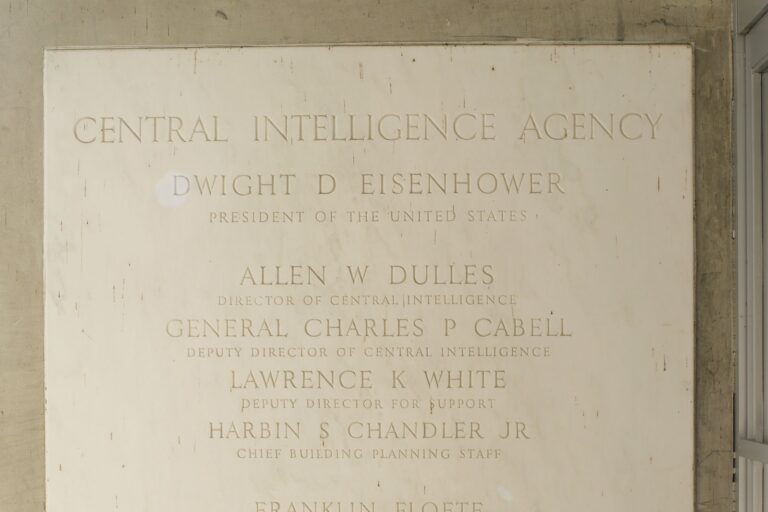
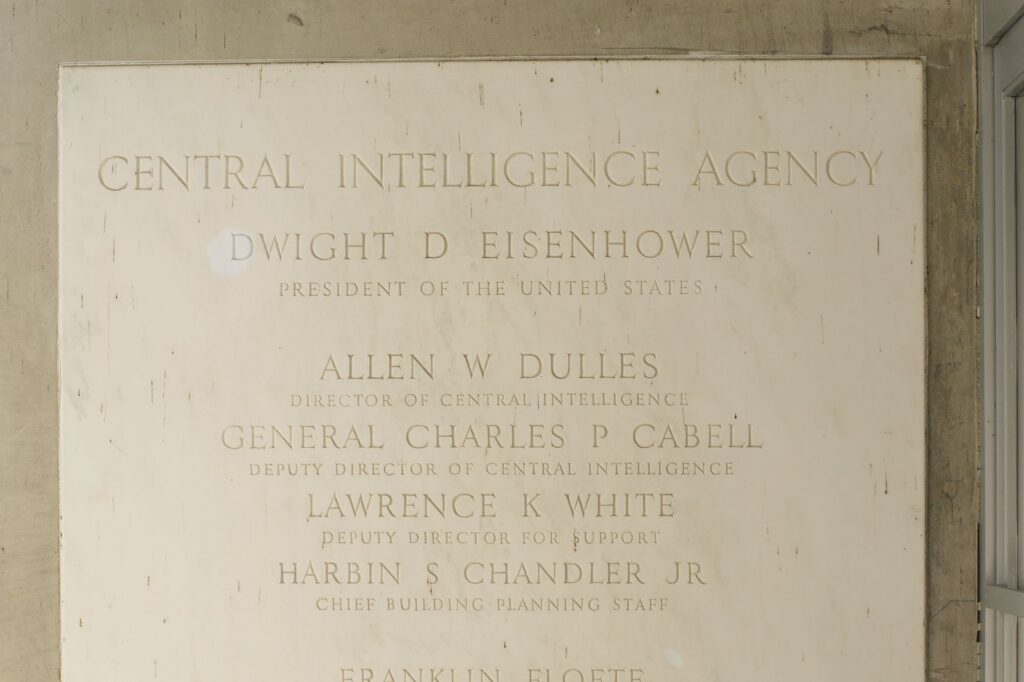
Ian A. Brinksman was taken into custody on a Friday following a search of his Washington, D.C., residence. The government charged him by criminal complaint with unlawfully transmitting national defense information, a violation of 18 U.S.C. § 793(d). The case was filed in the Eastern District of Virginia, Alexandria Division. While the FBI affidavit identifies his employer only as a U.S. government agency, public reporting and CIA Director John Ratcliffe identified the agency as the Central Intelligence Agency.
The legal severity of the case hinges on the classification of the specific documents involved. An Original Classification Authority confirmed that the five Substack articles contained information reflecting Top Secret reports, some of which carried TS/SCI banners. By definition, the unauthorized disclosure of such material could cause exceptionally grave damage to national security. Investigators emphasized that none of the five specific reports Brinksman accessed fell within the scope of his actual work duties, highlighting a disconnect between his administrative system permissions and his operational responsibilities.
The Role of Personal Networks in Intelligence Compromise
The transition toward independent publishing has introduced a new dynamic where personal relationships function as conduits for unauthorized intelligence dissemination. According to a November 2025 email sent from Ian A. Brinksman’s Gmail account to a friend, Brinksman was actively assisting Aída Chávez in establishing her Capital & Empire Substack. He described this effort as helping her get the enterprise off the ground after she decided to go independent, specifically noting her focus on foreign policy and the enrichment of public discourse.
This collaboration highlights a shift in how intelligence leaks are facilitated, moving away from traditional clandestine dead drops toward integrated, ongoing partnerships. By leveraging his role as a systems integration developer, Brinksman provided the raw material for Chávez’s platform, which she openly marketed by stating on her social media profile that she accepted leaks. This symbiotic relationship allowed for a steady stream of classified content, as evidenced by the recurring access-call-publication chains documented by investigators throughout 2026, which occurred alongside more than 800 phone communications between the two.
Sources
- FBI Arrests CIA Contractor Accused of Leaking TOP-SECRET Intelligence to His ‘Journalist’ Girlfriend — Classified Information Allegedly Published on Substack * The Gateway Pundit * by Jim Hᴏft
- Espionage
- Marvel's New 'Zodiac' Show Has Already Found Some Writers
Photo: The Central Intelligence Agency (Public domain)