U.S. officials have now confirmed that a nuclear‑powered submarine was deliberately run at full reactor output to act as bait for an unidentified aerial phenomenon, a maneuver described in detail in retired Air Force officer Jay Stratton’s newly released memoir.
Operation Nuclear Bait
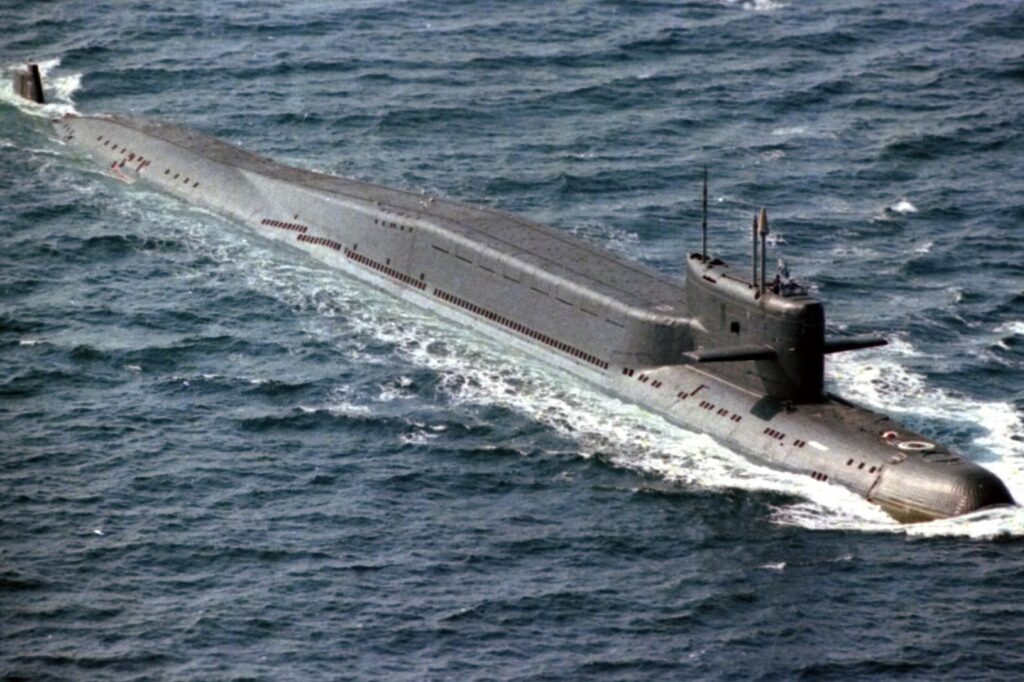
Stratton’s account, outlined in his book Out of the Shadows, explains that the plan hinged on an “educated opinion” that UAPs are attracted to nuclear energy signatures. By putting a submarine’s reactor “running hot” into a pre‑designated tracking zone, the Navy generated a “huge nuclide signature” intended to draw the objects into range, he writes. The operation was authorised under a classified directive that linked the bait to a broader effort to capture high‑resolution sensor data on the craft’s behaviour.
The submarine in question was part of a standard fleet patrol, but its propulsion system was deliberately pushed beyond routine power levels. According to Popular Mechanics, the intent was not to weaponise the vessel but to create a detectable electromagnetic and radiation plume that would be unmistakable to any anomalous craft equipped with advanced sensing capabilities.
Stratford’s strategy was built on the same logic that underpinned the Defense Intelligence Agency’s Advanced Aerospace Weapons Application Program (AAWSAP) and the Advanced Aerospace Threat Identification Program (AATIP), both of which he co‑founded. Those programmes, as the source notes, were the first to treat UAPs as a potential national‑security concern rather than a fringe curiosity.
Video Evidence and Physical Anomaly
The operation’s “proof of concept” came from a classified video that first landed on Stratton’s desk in 2005. The footage shows a black triangular craft hovering near a nuclear missile silo, its corners lit by yellow, white and orange LEDs. The object executed a series of turns that, according to the analysis, “no engine or airframe should allow,” and then accelerated at a rate “faster than Han Solo could ever dream of pushing the Millennium Falcon” in the Star Wars franchise.
Popular Mechanics notes that the craft moved in complete silence, leaving a visible trail that appeared to “carve turns through the air that no engine or airframe should allow.” The acceleration profile, as recorded by onboard sensors, exceeded the thrust capabilities of any known propulsion system, a fact that Stratton describes as “the technical reality that nothing in the human catalog of engineering could account for.”
While the video does not prove extraterrestrial origin, the physical parameters recorded—silent flight, instantaneous vector changes, and super‑luminal acceleration—have forced analysts to separate the observable anomaly from speculative alien intent. The Department of Defense has classified the event as an “unidentified anomalous phenomenon” and flagged it for further study under the UAP Task Force, which Stratton led for sixteen years.
Memoir, Vetting and Institutional Context
The clearance indicates that the material does not contain classified details that would compromise ongoing operations, but it also means the narrative reflects the official record as it stands.
In the book, Stratton claims that defense contractors are currently housing “at least a dozen retrieved spacecraft” across the United States. He backs this assertion with references to classified briefings, though the specific locations and ownership structures remain undisclosed. The same briefings, according to the memoir, confirmed the 1947 Roswell incident as a genuine crash of two craft sections, a point that has long been dismissed by mainstream historians.
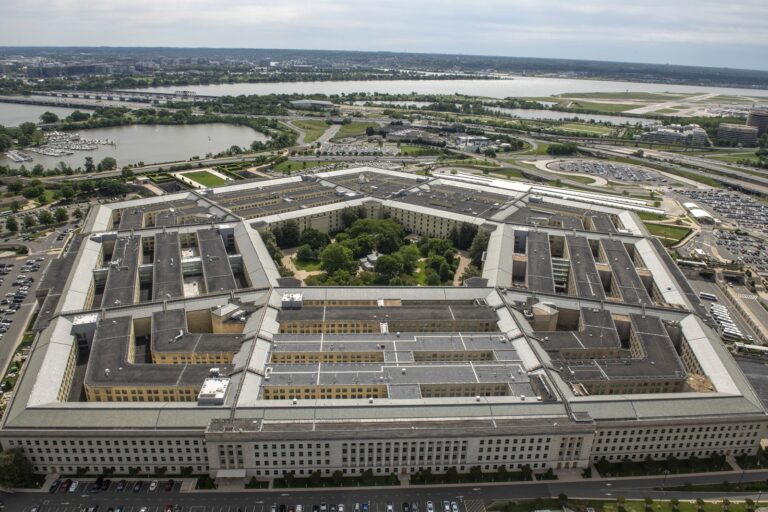
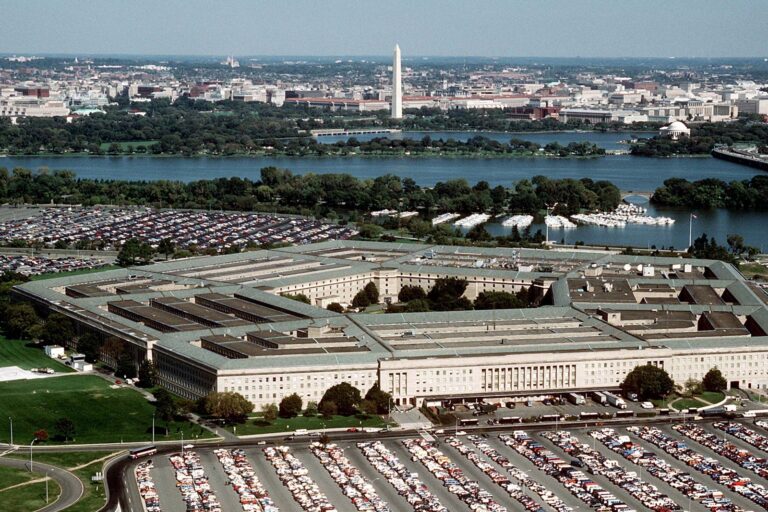
Stratton’s role in the Pentagon’s UAP investigation is further underscored by his tenure as the first director of the Unidentified Aerial Phenomena Task Force (UAPTF). The task force, as Popular Mechanics records, was the first federal effort to coordinate UAP inquiries across the entire government, linking intelligence, defense, and aerospace agencies under a single investigative umbrella.
Implications for Aviation Safety and Future Policy
Unilad reports that Stratton warned of “ongoing UAP activity over sensitive military and nuclear sites” and highlighted the risk that an uncontrolled encounter could endanger aircraft operating in the same airspace.
From a technical standpoint, the incident forces a reassessment of existing radar and sensor thresholds. Current systems are calibrated for conventional aircraft performance envelopes; an object that can accelerate beyond known propulsion limits may evade detection until it is already within a hazardous proximity. Engineers are now tasked with developing algorithms capable of flagging anomalous kinematic signatures in real time.
Policy‑makers, including senior officials in the Pentagon, are reportedly reviewing the operational guidelines that govern the use of nuclear platforms as bait. The balance between gathering intelligence on a potential threat and exposing high‑value assets to unknown hazards remains a contentious point, one that Stratton himself described as “the detail that matters” when weighing risk against the need for data.
Sources
- He Used a Nuclear Submarine to Lure an Alien Spacecraft—and Found Something That Defied Physics
- For 217 Years, Cryptographers Couldn’t Decode Napoleon’s Secret Letter. Then an AI Cracked It in 6 Hours.
- Pentagon's top UFO expert says he shared 'as much as he legally could' in new X-files style book
Photo: Wikimedia Commons (Public domain)