WASHINGTON, October 22, 2026 — A bipartisan group of senators has formally requested that the Department of Defense close a significant regulatory gap in its new supplier transparency rules. The letter, sent to Deputy Secretary of Defense Stephen Feinberg, urges the Pentagon to enforce cost disclosure requirements on contracts valued below $10 million, a threshold that currently excludes the majority of defense spending from scrutiny.
The Regulatory Gap
In August 2026, the Department issued a directive titled “Supplier Cost and Pricing Transparency.” The policy aims to improve access to contractors’ cost and pricing data, allowing contracting officers to negotiate fairer prices. However, the technical reality of the implementation leaves a substantial blind spot. The directive applies a $10 million threshold for obtaining certified cost and pricing data. According to the senators, this cutoff means the Department lacks access to critical information for more than 60 percent of its contracts.
Senators Elizabeth Warren (D-Mass.), Chuck Grassley (R-Iowa), Elissa Slotkin (D-Mich.), and Joni Ernst (R-Iowa) argue that this gap undermines the directive’s primary goal. They contend that the current framework allows smaller, lower-value contracts to escape the same level of financial scrutiny applied to major acquisition programs. The senators have requested that the Pentagon apply the new directive to these lower-value contracts to ensure comprehensive oversight.
A History of High Marks
The push for transparency is rooted in decades of documented instances where defense contractors have charged the government exorbitant prices for basic goods. The record includes notorious examples from the 1980s, when the Department paid $436 for hammers and $640 for toilet seats. More recent data reveals that Boeing charged the Air Force a nearly 8,000 percent markup on lavatory soap dispensers.
“The culture of overcharging within the defense industry that has driven this behavior has come with significant costs to both readiness and the American taxpayer,” the senators wrote in their letter. They emphasized that these overcharges are not merely accounting errors but systemic issues that erode the effectiveness of military procurement. The detail that matters here is not just the price of a soap dispenser, but the precedent it sets for how the Department negotiates with vendors across the entire supply chain.
Enforcement and Accountability
Beyond simply requesting data, the senators are pressing for concrete enforcement mechanisms. They urge the Department to use its existing authority to make contractors ineligible for future awards if they refuse to provide requested cost and pricing data. This approach would create a direct financial incentive for compliance, shifting the burden from the government to the firms that hold the proprietary information.
The letter seeks clarification on how the Department intends to gain such data from refusing companies and how it will conduct consistent oversight. The senators want to ensure that non-compliant companies are held accountable, rather than simply being allowed to continue operating without transparency. This request for answers is part of a broader effort to understand how the directive will “reset the Department’s expectations regarding supplier cost and pricing information.”
Legislative Backing and Deadlines
The senators are not relying solely on executive action. They are urging the Department to support two specific pieces of legislation: Senator Warren’s Stop Price Gouging in the Military Act and the Transparency in Contract Pricing Act. Both bills are aimed at the Fiscal Year 2027 National Defense Authorization Act (NDAA). These measures would provide statutory backing for contracting officers during negotiations, improving pricing transparency and ensuring taxpayers receive a fair deal.
The senators have set a deadline for the Pentagon’s response. They requested answers to their questions by November 3, 2026. The information provided will inform legislation aimed at strengthening pricing transparency, preventing contractor abuse, and protecting taxpayer dollars. As the Department prepares to respond, the focus remains on whether the executive branch will close the $10 million gap or leave the majority of defense contracts outside the reach of full cost transparency.
Sources
- In Bipartisan Letter, Warren, Grassley, Slotkin, Ernst Press Pentagon to Crack Down on Military Contractors’ Price Gouging, Enforce Cost Transparency
- Warren, Grassley Press Pentagonâs Feinberg on Price Transparency
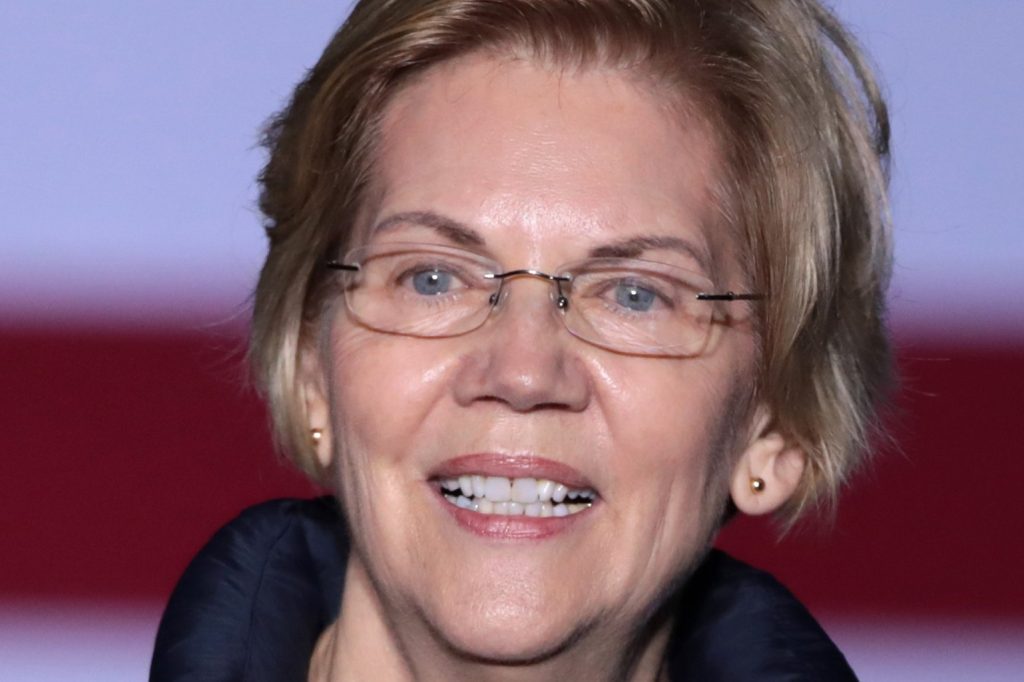
Photo: Gage Skidmore from Peoria, AZ, United States of America (CC BY-SA 2.0)