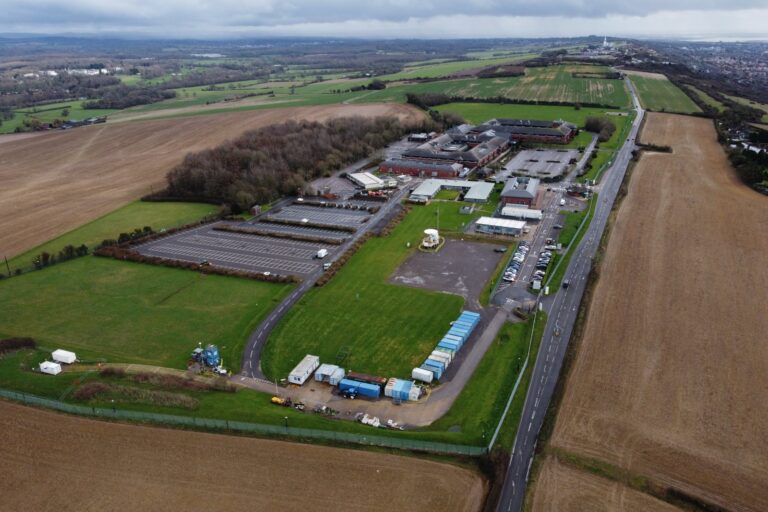
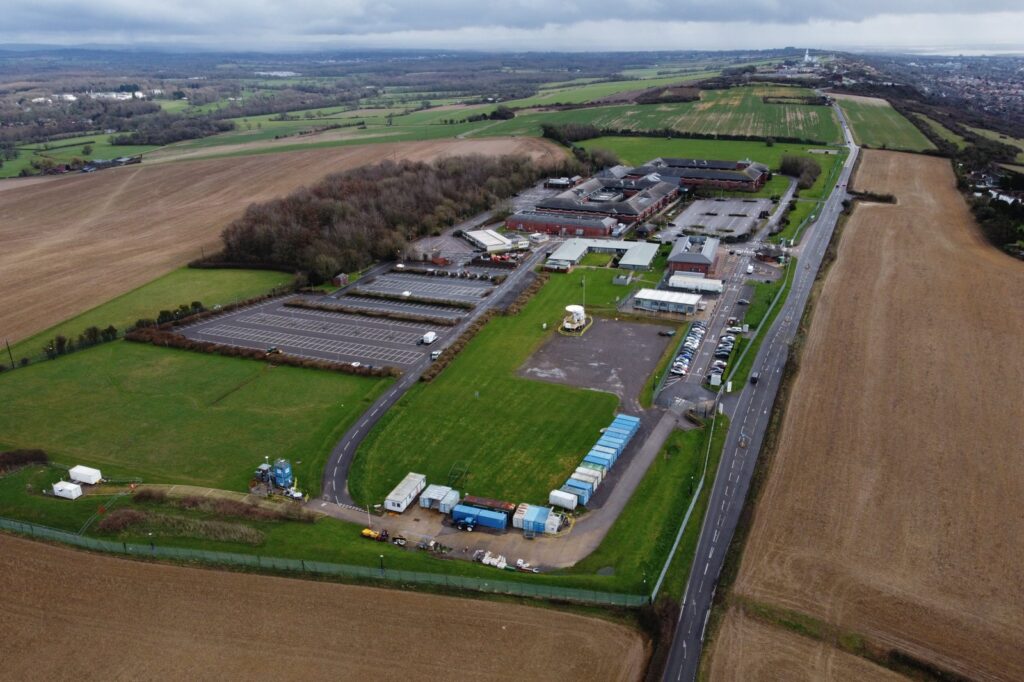
The autonomous industry has issued warnings that the UK is lagging behind global competitors in investment and testing capabilities. These warnings highlight critical infrastructure gaps that hinder the deployment of advanced military technology as rivals accelerate their own programs.
UK Defence Innovation and the Role of Dstl
The Defence Science and Technology Laboratory (Dstl) is an executive agency of the UK Ministry of Defence tasked with maximizing the impact of science and technology for defence and security. The laboratory was formed in 2001 following the split of the Defence Evaluation and Research Agency (DERA). Its work is predominantly funded by the MOD, which accounted for 91% of its £587 million income in 2016/17. Dstl collaborates with industry partners on specific projects, such as the Kratos deployable power system, which supports drone operations. This system was developed through a program involving UK Defence Innovation, with Dstl providing technical collaboration.
Funding Models and Global Competition
The UK’s approach to funding innovation includes mechanisms like the Defence and Security Accelerator (DASA), which provides funding pathways for technologies like the Kratos system. However, global competitors are pursuing more aggressive funding models. China-based MegaRobo Technologies, for example, has raised approximately $600 million to date to expand its AI-powered laboratory automation systems. This level of private investment underscores the scale of resources being directed at autonomous and AI-driven research in other nations, raising questions about the pace of UK investment in comparable areas.
Bridging the Testing Gap
Efforts are underway to bridge the UK’s testing infrastructure gaps. The Kratos system, for instance, has progressed to field trials in Norway following demonstrations at Royal Marines Base Chivenor. These trials will assess the system’s performance under operational conditions. The development of such technology is part of a broader strategic effort to equip modern forces with advanced capabilities. Dstl is also involved in the National Cyber Force, a joint agency created in 2020 to conduct offensive cyber operations, demonstrating its role in cutting-edge defence domains.
The Strategic Imperative of Rapid Testing
The ability to rapidly test and deploy autonomous systems is a strategic necessity for modern battlefield operations. The record shows that the UK is committed to significant investment in related areas, such as space, with over £3 billion allocated for space-related defence spending over the next four years. This investment includes the ISTARI programme, which delivers satellites for intelligence, surveillance, and reconnaissance, and Project Inaros, a trial for an advanced network of ground-based sensors to monitor space. These initiatives reflect an understanding that technological advantage is contingent on both innovation and the infrastructure to support it. The timeline of UK defence development, from Dstl’s formation to its current projects, reveals a continuous effort to adapt, but the industry warnings suggest the pace may not be sufficient to keep up with global momentum.
Sources
- Autonomous Industry Warns UK Lagging On Investment, Testing | Aviation Week
- Defence Science and Technology Laboratory
- MegaRobo Raises Nearly $200M to Fund Expansion of AI-Powered Laboratory Automation
- UK conducting offensive cyber operations against Russia, China, Iran and North Korea | Free Press Kashmir
- Second military satellite blasts off | UKAuthority
- Solus Power Demonstrates Next-Gen Kratos Field Power System to UK MoD Ahead of Norway Trials
Photo: Tim Sheerman-Chase (CC BY 2.0)