Veterans’ advocates are watching the lame-duck calendar with skepticism as the window to move a benefits package narrows to twelve voting days and a December 11 funding cliff. The technical reality is that any bill not cleared by year’s end dies with the 119th Congress.
Definition and Mechanics
A lame-duck session occurs whenever one Congress meets after its successor is elected but before the new term begins on January 3. In current practice, any meeting between the November election and that date qualifies. The sitting members retain full legislative authority until noon on January 3, unlike parliamentary systems where dissolved legislatures operate under caretaker conventions. Since 1940, Congress has held 16 such sessions.
Historical Productivity
Recesses preceding these sessions typically begin by mid-October and last one to two months, with reconvening in mid-November and adjournment before Christmas — about a month of legislative time. Some sessions have been pro forma or on standby; others addressed a single matter. When the president presents an agenda to a same-party majority, approval rates are high; divided government produces vetoes and gridlock. The detail that matters: in recent decades, the major task of most lame-duck sessions has been completing action on appropriations and the budget.
Attendance and Scheduling Pressures
The House has just 12 scheduled voting days remaining. Attendance has become a bipartisan problem: 32 members missed a Thursday morning session before the Thanksgiving break, and the average number of no-shows has more than doubled since the midterms. Speaker Mike Johnson called it “a great frustration.” Republicans, facing a transition to minority status, are pressing to finish a party-line defense bill and the National Defense Authorization Act, while the Senate has yet to act on several House-passed measures.
Budget Negotiations and the December 11 Deadline
Government funding expires after December 11. Lawmakers must pass full-year appropriations or a short-term continuing resolution to avoid a shutdown. The top Democrat on the House Appropriations Committee, Rosa DeLauro, has said she would prefer a continuing resolution running only until February, giving the incoming Democratic majority leverage. She also wants to curtail funding for the war in Iran, a priority that complicates the spending calculus.
Partisan Dynamics and the NDAA
The National Defense Authorization Act, which authorizes military funding and supports defense industrial programs including submarine construction, remains in “treacherous territory.” Senate appropriators recently proposed $1.1 trillion in defense spending for fiscal 2027 in what House Armed Services subcommittee ranking member Joe Courtney called a “partisan budget” that shifted money out of the submarine account. The NDAA has passed every year for decades; failure to enact it would break a long-standing precedent. Senators are also considering attaching online safety legislation to the bill, a tactic used in previous lame-duck sessions to move difficult measures.
Congress returns from recess on November 30 with three work weeks before the December 11 funding deadline.
Sources
- Lame-duck session
- The House has a new lame-duck challenge: Attendance
- For CT Dems, avoiding shutdown not the only priority in lame duck
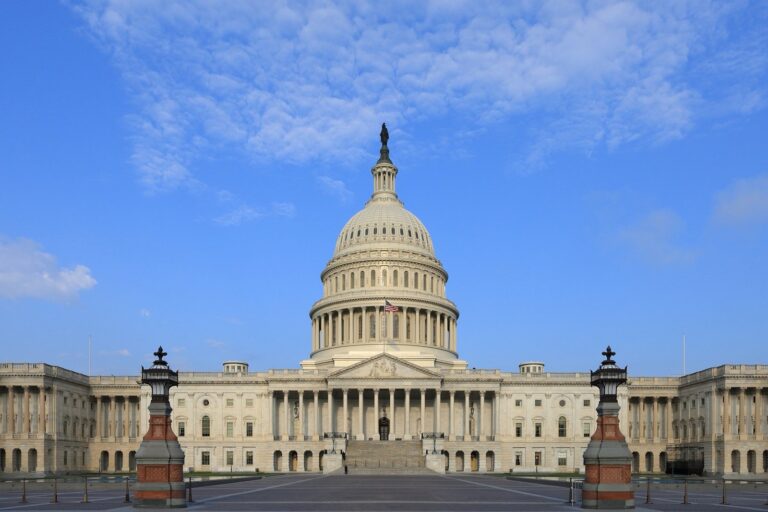
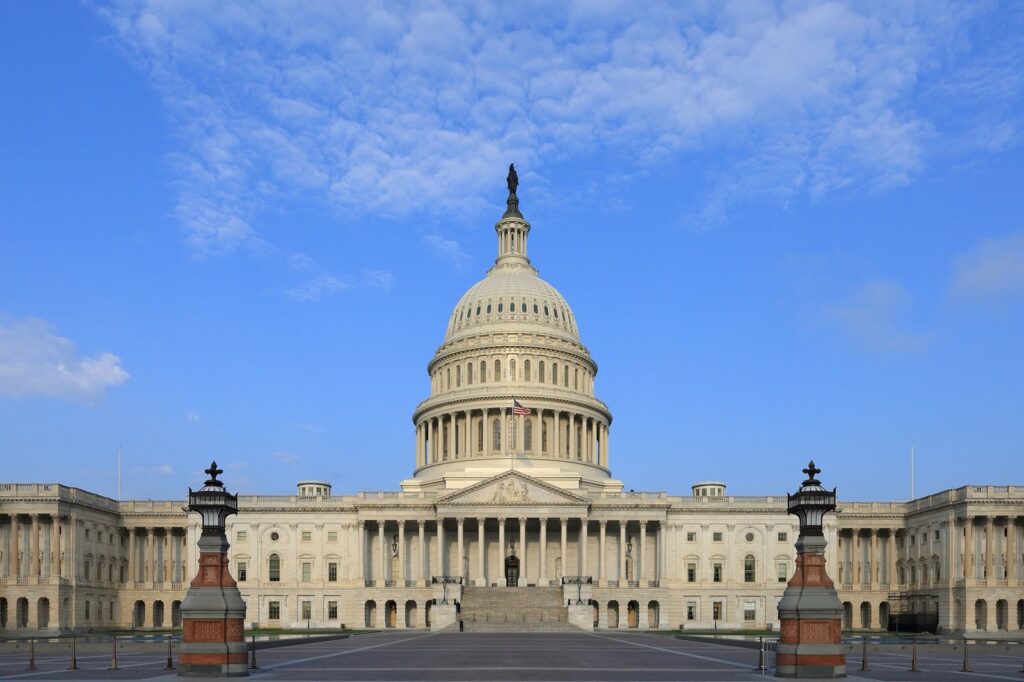
Photo: Martin Falbisoner (CC BY-SA 3.0)