WASHINGTON, November 25, 2026 — House Armed Services Committee Chair Mike Rogers (R-Ala.) has signaled that the right-to-repair provision will likely be stripped from the final Fiscal Year 2027 National Defense Authorization Act. The provision passed both the House and Senate Armed Services Committees this summer but faces opposition from the committee chairman, who cites a lack of Pentagon examples where current contracts prevented repairs.
The Technical Reality
Current law permits defense contracts that require service members to rely on contractor personnel for equipment repairs rather than performing the work themselves. Rogers told Federal News Network last week that he asked the Pentagon for every instance where a service member could not get a needed repair through existing contractual mechanisms. Over the course of a year, the department provided zero examples.
“The fact is, this is something that can be contractually dealt with; they just don’t want to,” Rogers said. He added that he is “trying to get more people into the defense industry business, so I’m not going to start telling people I’m going to take your [intellectual property].”
Intellectual Property Under the Hood
The intellectual property objection is the detail that matters for contractors. Right-to-repair legislation typically requires original equipment manufacturers to provide technical data, parts, tools, and repair materials to the government or third-party maintainers. Contractors argue this constitutes a taking of proprietary trade secrets and design data — the crown jewels of their business model. Rogers’ framing aligns with that concern: a legislative mandate to hand over technical data packages is viewed by industry as a de facto IP seizure.
Critics Point to Lobbying Power
Virginia Burger, senior defense policy analyst at the Project On Government Oversight and a Marine veteran, told Military.com she was “half surprised” by Rogers’ position. She noted this is the second consecutive year the provision has passed in some form in both chambers — including a full House vote this year — only to face removal in conference.
“It’s not something that is unpopular by any means,” Burger said, pointing to bipartisan sponsorship from Sens. Tim Sheehy (R-Mont.) and Elizabeth Warren (D-Mass.) on the Warrior Right to Repair Act in the FY26 cycle. Critics argue the current system hurts military readiness and taxpayers who fund hundreds of billions in annual defense spending, tying the provision’s repeated exclusion to the influence of defense lobbyists and contractors.
Conference Math
The FY27 NDAA conference negotiations are ongoing with a year-end deadline. The Senate version authorizes $1.15 trillion, a 28 percent increase over the prior year and the largest defense authorization in history. Rogers told Punchbowl News last week that House Republicans are considering a massive legislative vehicle combining the NDAA, a continuing resolution, FISA renewal, and several full-year appropriations bills. The government funding deadline is December 11.
Sources
- Top Republican Opposes Right to Repair in FY27 NDAA. Critics Blame Defense Contractors' Power
- ERLC letter highlights Southern Baptist priorities in 2027 National Defense Authorization Act (NDAA)
- Government Ownership Is the Wrong Way to Strengthen the Defense Industrial Base
- Press Release: Ro Khanna Leads Bipartisan Letter Calling for Removal of NDAA Section 219 | Stock News
- Troops Fixing Their Own Gear? Top House Republican Mike Rogers Signals Right to Repair Will Be Cut From 2027 NDAA
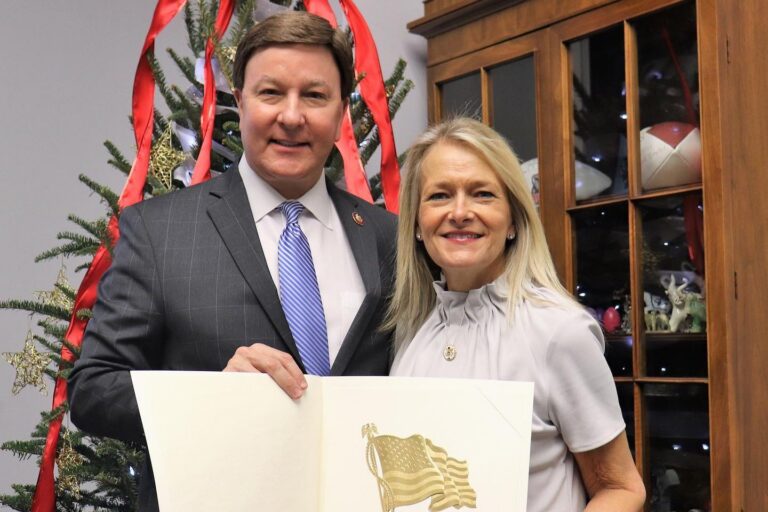
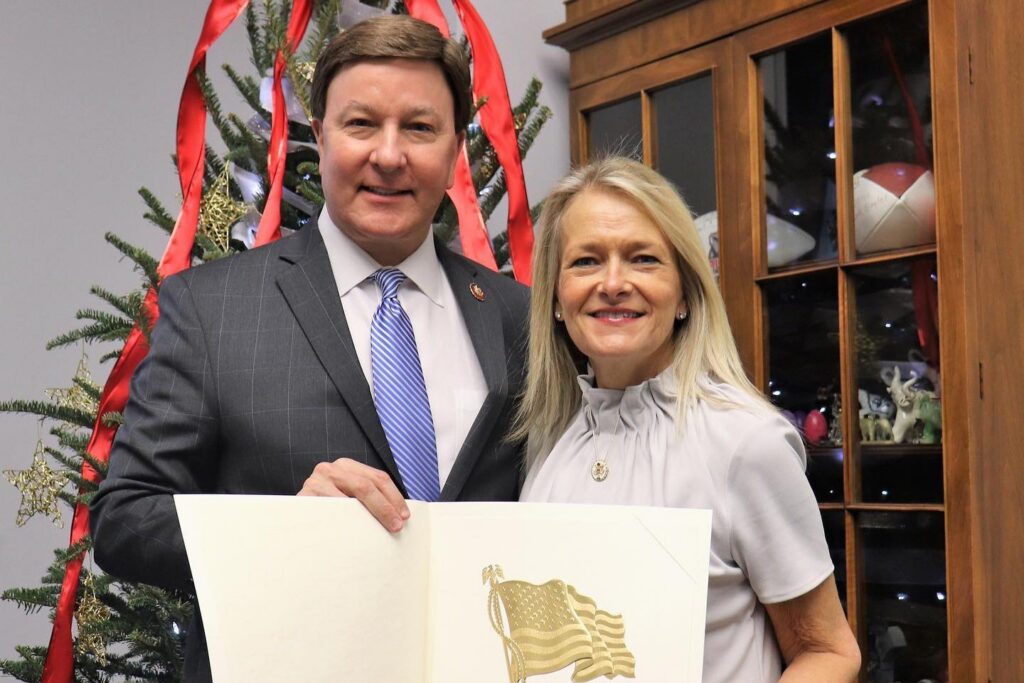
Photo: Office of Representative Mike D. Rogers, United States Congress (Public domain)