KYIV, November 22, 2026 — Ukraine’s defense industry has surged from near-zero production in 2022 to more than seven million drones this year, yet fragmented funding across more than 1,300 companies now limits the output of its most advanced systems. Industry officials say the sector has hit a ceiling where cash, not capacity, is the binding constraint.
From Soviet Exports to Wartime Output
Before the full-scale invasion in 2022, Ukraine’s defense sector was oriented mainly toward exports, a legacy of its role as a major node in the Soviet military-industrial complex. A near-total export ban imposed after the invasion redirected nearly all domestic output to the front, according to the record. The shift forced a rapid reorientation: state-owned enterprises and a wave of new private firms began producing drones, missiles, and electronic warfare systems at a pace that surprised Western partners. By 2025, Ukraine produced about 3 million unmanned systems, with plans to reach up to 8 million FPV drones annually, the record shows.
The expansion traces back to the post-2014 period, when private organizations such as Athlon Avia and Aerorozvidka began developing modern UAVs after years of reliance on outdated Soviet models like the Tupolev Tu-141 and Tu-143. Bureaucratic procurement rules slowed that early growth. The 2022 invasion removed those bottlenecks. Civilian workshops sprang up in garages and kitchens under programs like People’s FPV and SocialDrone UA, while non-profits including Wild Hornets and Escadrone fabricated and delivered combat drones in volume. By the end of 2024, over 200 Ukrainian companies were involved in the drone sector, many holding state contracts.
The Funding Bottleneck
Despite the output, the industry’s structure creates a capital problem. Ukraine’s defense sector includes more than 1,300 companies, a figure that fragments funding and limits cash availability for top producers, according to industry officials. The state planned to spend $30 billion on defense procurement in 2026, yet potential domestic output could reach $60 billion, President Volodymyr Zelenskyy said in April. Officials from the Ukrainian Council of Gunsmiths estimated late last year that around 60 percent of the country’s defense production capacity remained unused. The Defense Industry Council claimed in summer 2026 that only a quarter of existing capacity across the sector had been contracted.
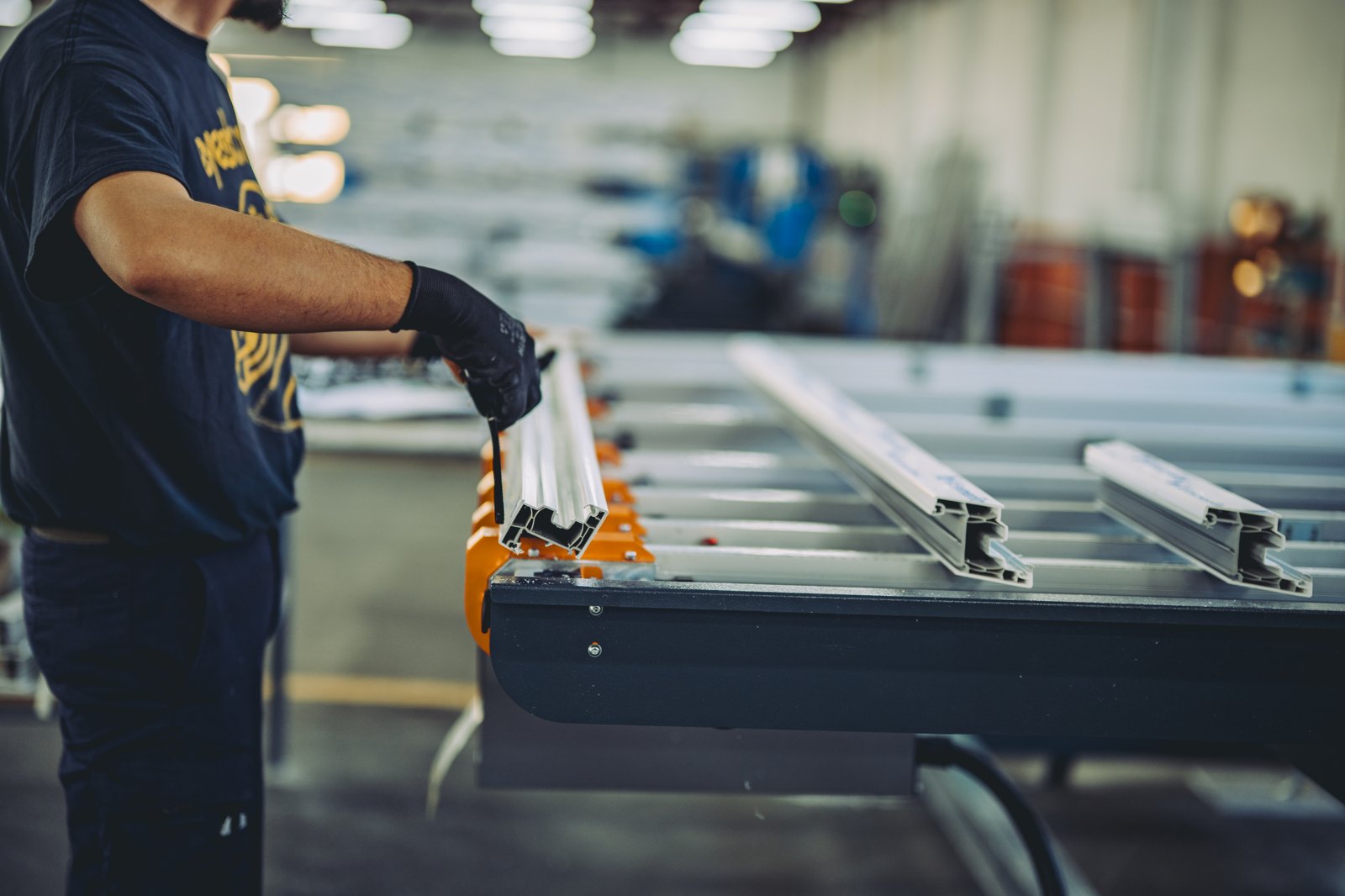
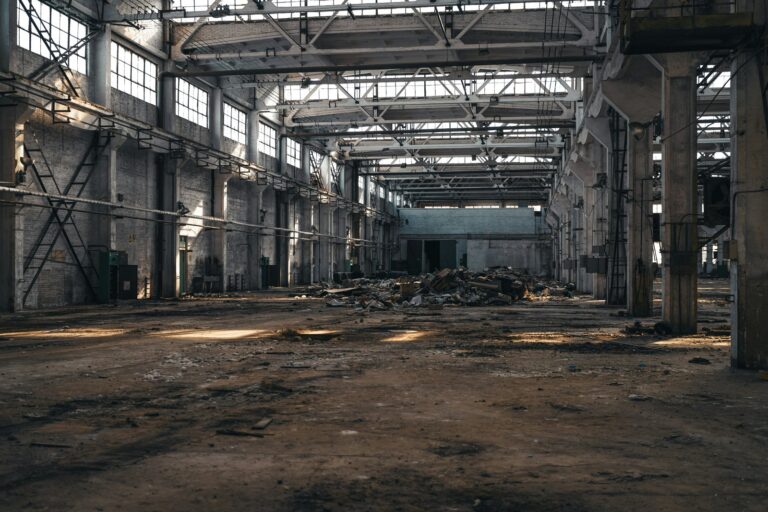
Personnel shortages and the physical threat to factories compound the problem. Facilities cannot safely expand while under frequent Russian bombardment. Oleg Korostelov, the 77-year-old director general of Luch Design Bureau and creator of the Neptune missile, said more funds would help increase production of systems like Neptune and the jet-powered Palianytsia drone. Luch began work on Neptune in 2010, but manufacturing funds arrived only after Korostelov raised the shortfall at a high-level meeting with Zelenskyy in late 2020. “Ukraine is producing less than Russia, that is true,” Korostelov said.
Unmanned Systems Boom
Drones now dominate the procurement pipeline. Defense Minister Yevhenii Khmara told the EU Foreign Affairs Council that drones will make up more than half of Ukraine’s weapons needs in 2027. At a press conference following the 37th meeting of the Ukraine Defense Contact Group in Brussels on November 18, Khmara said 62 percent of funding should go to drones, including first-person-view, middle-strike, deep-strike, and logistics variants. Ukraine plans to double its drone supplies and more than triple its long-range strike capabilities next year, Khmara said.
The scale of the long-range campaign is already measurable. Ukrainian long-range drone strikes have reduced Russian oil refining output by around 45 percent since late October, according to Reuters. The strikes resumed after a lull prompted by pressure from U.S. President Donald Trump, who called for a pause to ease pressure on global fuel markets. Ukraine initially backed the proposed energy ceasefire but resumed attacks when it became clear Russian President Vladimir Putin would not abide by any truce. Zelenskyy recently claimed Ukrainian attacks had taken 55 percent of Russia’s oil refinery capacity offline.
Exporting for Survival
To unlock capital, Kyiv has moved to permit controlled exports of surplus arms. In September 2025, Zelenskyy announced the policy shift to allow greater financing for front-line needs. In February 2026, the National Security and Defense Council said it planned to issue the first licenses for controlled exports to a government-approved list of partner states. Deputy Secretary Davyd Aaloian said the state commission responsible for issuing wartime licenses approved most of the 40 applications submitted by defense enterprises to export equipment and services.
The measure aims to convert idle capacity into revenue without degrading front-line supply. Some Ukrainian companies are also establishing operations abroad to manufacture or raise funds. “Every Ukrainian company at scale is looking to establish [itself] in the West,” said Oleg Rogynskyy, chief executive of Uforce, a British-based Ukrainian company.
Private Self-Defense
With state air defenses stretched thin by constant Russian bombardments on military and civilian targets, Kyiv authorized an experimental program allowing private defense companies to independently purchase and operate air defense capabilities. The defense ministry said the program is intended to provide additional protection for personnel, production facilities, and energy facilities regularly targeted by enemy unmanned aerial vehicles. It also makes it possible to rapidly scale up air defense capabilities without placing an additional burden on the Defence Forces of Ukraine.
Participating companies pay for everything themselves without government reimbursement. They can purchase approved air defense weapons, including uncrewed systems, surface-to-air missile systems, and anti-aircraft artillery. The companies operate the systems under military command and within Ukraine’s larger air defense network. Military units can also temporarily transfer air defense assets and ammunition to these groups. By late October, private companies had intercepted just over 60 threats. As of November 18, the figure stood at nearly 90, the defense ministry said. On November 19, the Russian defense ministry said it carried out a massive overnight strike on Ukrainian defense industrial sites making cruise missiles and medium- and long-range drones, as well as transport infrastructure and energy facilities.
Sources
- Defence industry of Ukraine
- Japan’s Defense Lessons From Ukraine and the Middle East
- Kyiv’s partners should prioritize Ukraine's domestic drone production
- Ukraine says letting private defense companies buy and operate air defense systems is paying off
- Ukraine plans to double drone supplies, triple deep strikes
- Ukraine is racing to keep its booming defence industry from stalling | Mint
Photo: X F / Unsplash (Unsplash License)