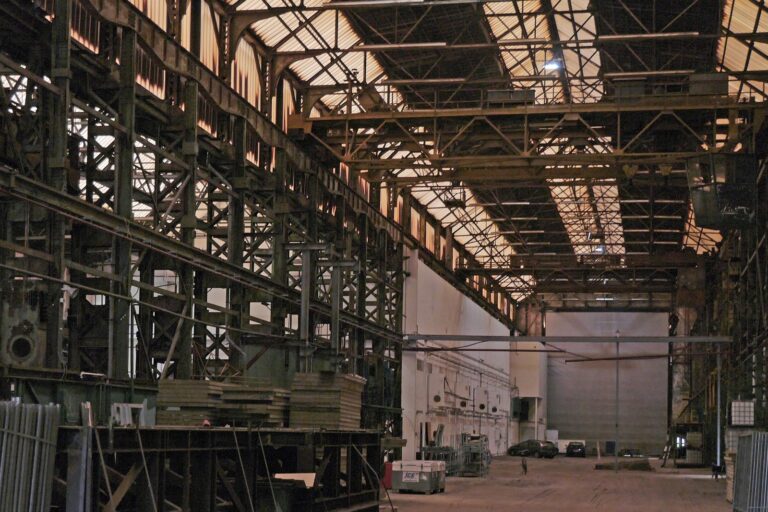

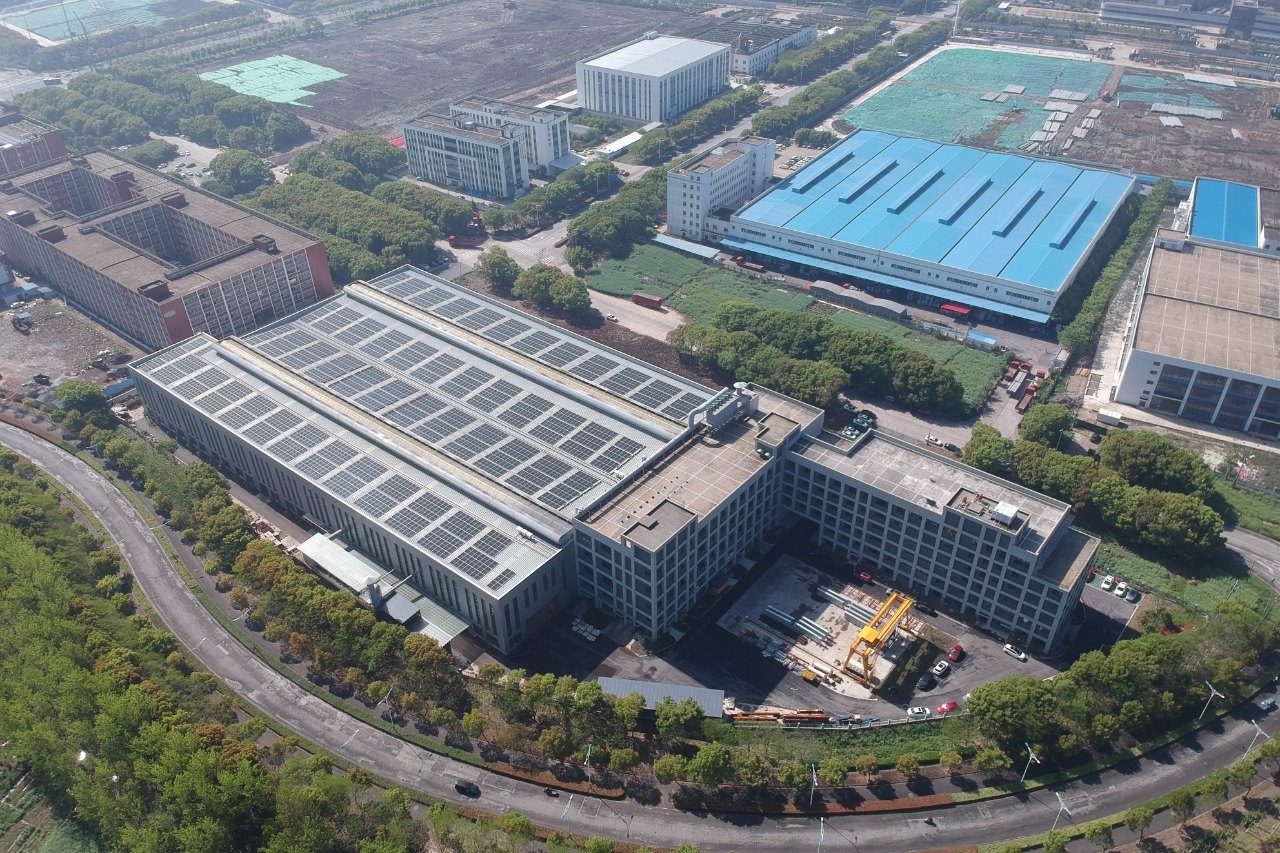
BRUSSELS, November 24, 2026 — European weapons factories have added 7 million square metres of industrial space since 2022, expanding at three times the peacetime rate, but the new capacity sits idle without the raw materials and specialised components required to operate. The record shows that 80 percent of critical inputs — from rare-earth minerals to semiconductor tools — remain dependent on non-European supply chains.
The Factory Build-Out
According to the filing, the European Commission’s defence programme now supports projects to expand capacity for energetic materials and ammunition components. New assembly lines for shells and missiles have been constructed across the continent. Yet producers report that investment in final assembly is ineffective without consistent supplies of explosives, propellants, primers and precision-engineered electronics. The timeline shows factories competing with civilian industries for copper, aluminium, magnet-containing scrap, power supplies and limited processing facilities.
On the timeline, the 2026 Iran War has accelerated demand for ammunition and military equipment beyond existing production plans. Since February, the conflict has driven a surge in orders that current lines cannot meet. Sources familiar with the matter say the war’s disruption of global energy markets has further strained the electricity and transport infrastructure that defence manufacturing requires.
Import Dependencies
The record shows that Europe’s reliance on US semiconductor tools and Chinese rare-earth magnets means even domestic factories depend on adversarial-controlled supply chains. China’s control over critical-mineral processing poses a direct threat to production resilience, according to the Atlantic Council analysis. The International Energy Agency identifies concentrated refining capacity — for rare metals and other specialised materials — as a persistent supply-chain risk for defence.
Dutch Minister of Arms Procurement Dirk Boswijk warned at the Netherlands-US Defense Industry Days that an “Arsenal of Democracy” requires co-development and co-production among allies to avoid single points of failure. The conference, held in October, highlighted eroding transatlantic trust and rising protectionist measures as strains on industrial progress. Boswijk invoked the World War II-era Tizard Mission, which connected British technological innovation with American industrial capacity, as a model for breaking down national barriers today.
The Recycling Gap
Europe exports scrap containing resources required by its own manufacturers, including copper, aluminium and magnet-containing waste that could be recycled into military-grade materials. Research on European strategic-materials supplies argues that recovering these materials from industrial waste could strengthen resilience. However, specialist recycling facilities require industrial-scale processing, technically skilled workers and reliable buyers — conditions that currently do not exist across Europe.
Producers compete with civilian industries for the same scrap streams. Without long-term buying commitments from governments, suppliers in niche fields such as explosives and propellants refuse to invest in expanding capacity. The Commission’s programme acknowledges the bottleneck but has not yet secured the procurement guarantees needed to unlock private investment in chemical plants and refining capacity.
De-Industrialisation Legacy
France and Germany’s decades-long de-industrialisation policies have left gaps in dual-use manufacturing capacity, complicating military production ramp-ups. The opinion filing notes that governments assume all defence technologies have mature markets where supply can scale with demand. In fields like optical communications and quantum tech, suppliers lack confidence and capital without state intervention. The record shows that effective rearmament requires rebuilding the broader industrial ecosystems that defence manufacturing rests upon.
NATO allies are pushing for WWII-style co-production to address the gaps. The Atlantic Council analysis notes that during World War II, the United States transformed its domestic auto industry into the global leader in aviation manufacturing in just a few years. Today, industry is not equipped for such an overhaul, but must retool systems and factories to resource the Alliance’s ambitions. Investment is needed in manufacturing facilities, transportation, raw-material extraction and workforce development — chiefly engineers — to complete the transformation.
Sources
- OPINION: Europe's rearmament risks creating empty factories | EU-Startups
- What NATO allies can learn from World War II partnerships about defense industrial production
- Europe’s Defence Industry Faces a Raw Materials Problem as Military Production Expands – https://eutoday.net
Photo: Sgroey (CC BY-SA 4.0)