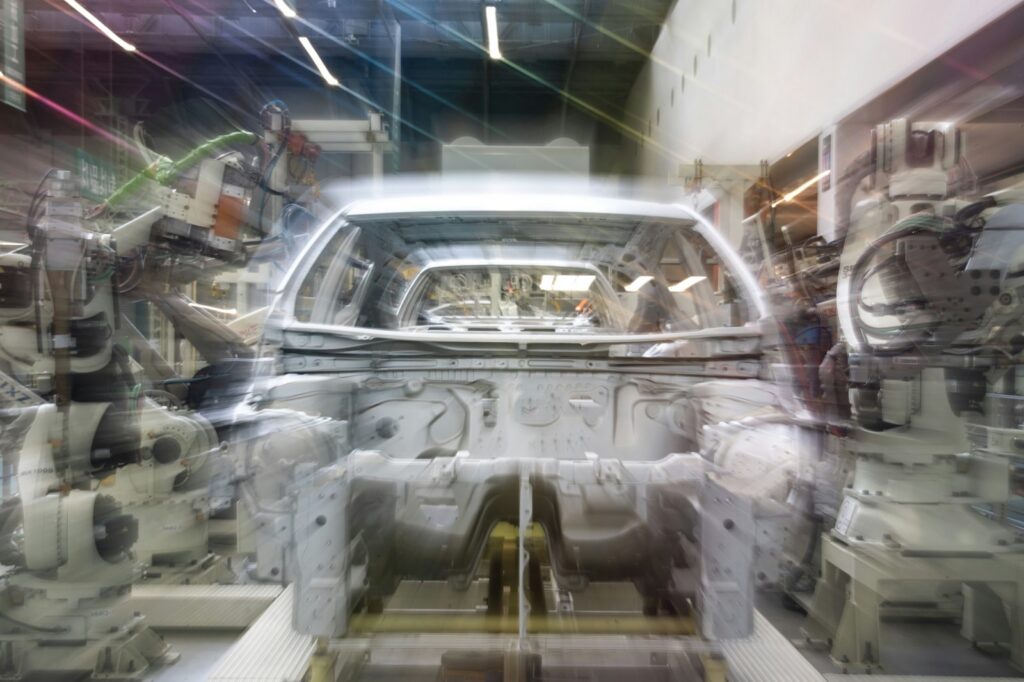
Stellantis Canada has sealed a deal to sell its Brampton Assembly Plant, idle since December 2023, to Roshel Inc., a Canadian maker of combat‑proven military vehicles. The transaction extinguishes the jobs of more than 2,200 autoworkers who have already been laid off and threatens an estimated 10,000 supply‑chain and support positions.
From Heavy‑Duty Cars to Combat Vehicles
The Brampton facility, once a cornerstone of Stellantis’s Canadian footprint, has been shuttered for three years. Its sale marks the final step in a broader retreat from heavy civilian auto manufacturing in the region, a retreat accelerated by the ongoing U.S.‑Canada trade war that has choked access to the United States, the sector’s most vital market.
Trade Friction as the Technical Reality
U.S. trade actions have forced Canadian automakers to re‑evaluate cross‑border production flows that traditionally saw parts criss‑cross the border multiple times before a vehicle rolled off the line. With tariffs and import restrictions tightening, the economic calculus for maintaining a large, labour‑intensive plant in Ontario has become untenable, prompting Stellantis to divest the asset rather than absorb further losses.
Union Dynamics and the Cost of Inaction
Unifor, Canada’s largest private‑sector union, has been criticised for its handling of the Brampton situation. According to the source, the union blocked a coordinated strike effort despite a 97.3 percent walk‑out vote, opting instead to focus on bargaining for a new contract that does not include resuming production at the plant. This stance, described as “reactionary Canadian nationalist, pro‑capitalist politics,” has left the workforce without a collective lever to contest the sell‑off.
Broader Impact on the Canadian Auto Landscape
The loss of Brampton adds to the pressure on the remaining Canadian operations of the Detroit Three, where roughly 17,000 workers face contract renewals this year. Stellantis’s own stock underperformed the market in the week of 9‑13 November, a dip linked to the plant‑sale dispute with Ottawa. Prime Minister Mark Carney has warned that continued U.S. trade pressure could push Canada to seek Chinese investment, underscoring the strategic vulnerability exposed by the Brampton exit.
What the Sale Means for the Defence Sector
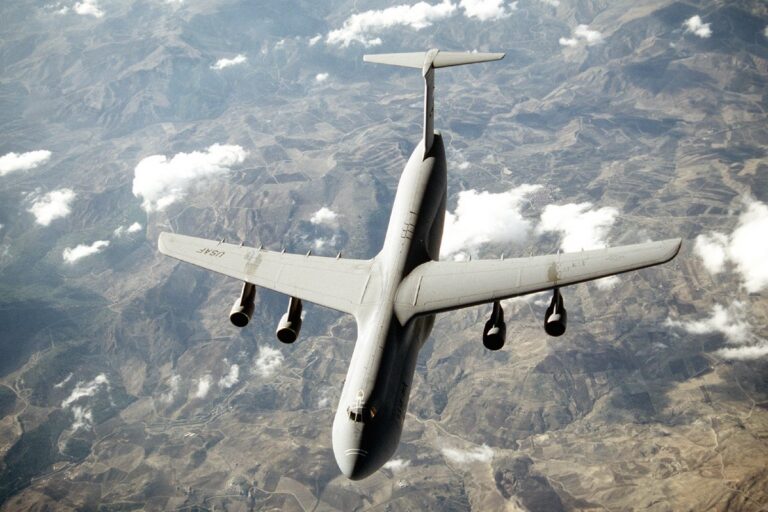
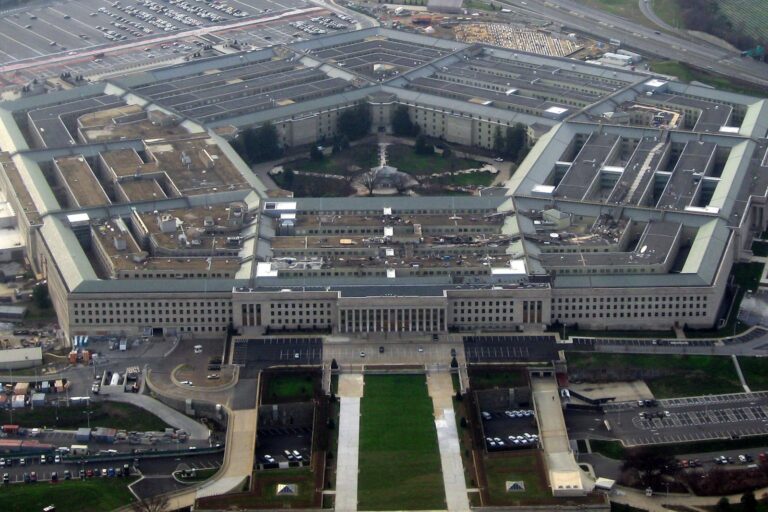
Roshel’s acquisition repurposes a large automotive production line for military vehicle output, a shift that aligns with Canada’s growing emphasis on domestic defence manufacturing. While the exact production schedule remains undisclosed, the “combat proven” label suggests Roshel will leverage the plant’s existing tooling and workforce capacity to accelerate delivery of armoured and tactical vehicles to the Canadian Armed Forces and allied customers.
Numbers in Perspective
Stellantis, formed in 2021 from the merger of PSA Group and Fiat Chrysler Automobiles, employs roughly 300,000 people across 30 countries. The Brampton closure trims a small but symbolically significant slice of that global headcount, while the ripple effect on 10,000 ancillary jobs highlights the tightly coupled nature of automotive supply chains.
Roshel’s purchase finalises the transition from civilian to defence production at Brampton, sealing the fate of the 2,200 workers who have already been laid off and signalling a decisive pivot for Stellantis away from heavy manufacturing in Canada.
Sources
- Stellantis to sell Brampton Assembly Plant to producer of military vehicles, destroying 2,200 auto jobs in Canada
- Stellantis
- Bob Broderdorf Returns, Tim Kuniskis Gets Promoted in Another Round of CEO Shake-Ups at Stellantis
- Consumer Defensive Stocks Extend Winning Streak To 6 Weeks As SPY, QQQ Rebound: TTD, CHTR, TSLA Lead Gains
- Carney says Canada could turn to Chinese automakers if Trump trade talks fail
- Maserati Enters the Electric Vehicle Market: Beyond Targeting Affluent Female Customers
Photo: Lilian Do Khac / Unsplash (Unsplash License)