
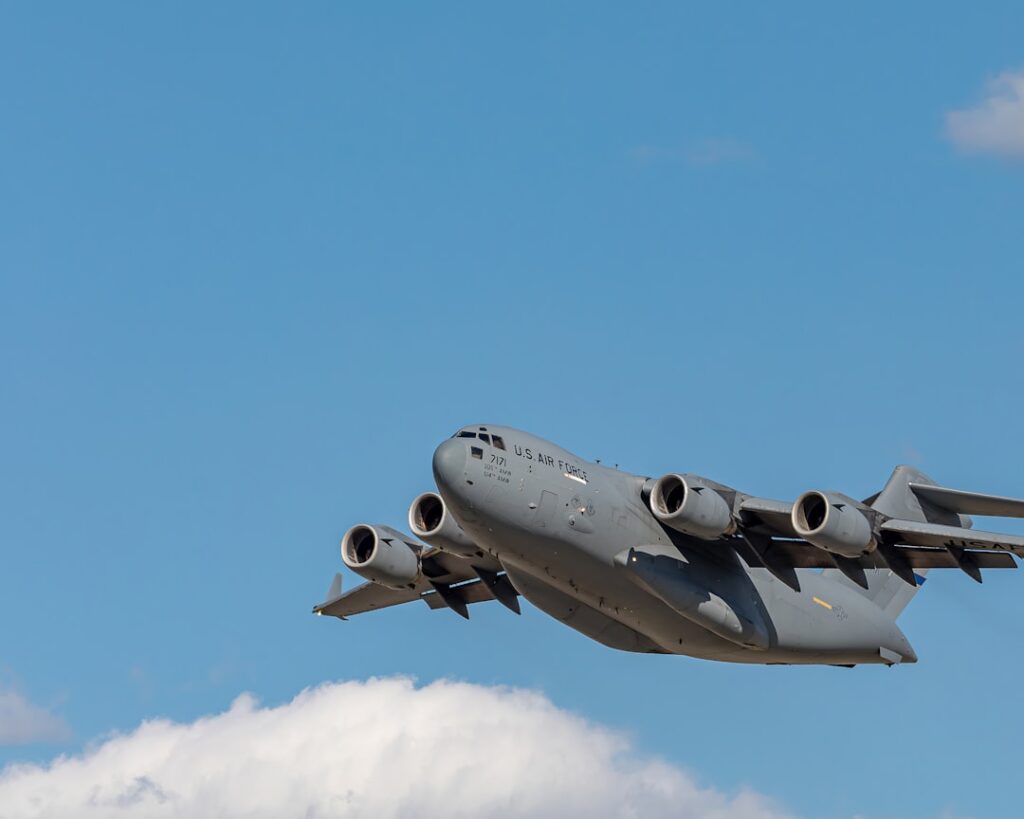
A US military operator over the Arabian Gulf in 2020 put a number on what he saw: 321 knots, or 369 mph. The object, he reported, then “increased speed and changed direction towards the east.” That one line is the core of a Mission Report the Department of War made public on May 8, 2026, as part of the PURSUE release of UAP files.
A Mission Report, or MISREP, is the standard form US forces use to record the circumstances of an operation. Services often use them to pass UAP sightings to the All-domain Anomaly Resolution Office. The free-text section holds the context that numbers alone cannot.
The file comes with a heavy caveat. Every descriptive or estimated detail in it reflects the reporter’s own interpretation at the time, the released summary says, and none of it should be read as proof that the object had, or lacked, any particular feature or performance.
Testimony only
Nothing in the file backs up the account with data. UAP tracker pursueufotracker.com, which published its own analysis of the release, notes that no sensor, camera or instrument supports the observation. It is a single witness, and the file has no speed, acceleration or vector data precise enough to test the estimate. The tracker records the report as unresolved, with no formal review concluded.
It is one of 257 Defense Department files in the PURSUE disclosure, out of 450 in the full archive. The tracker’s own scoring system, which it calls an Anomalousness Index, gives the file 53 out of 100 and ranks it 338th of 450.