
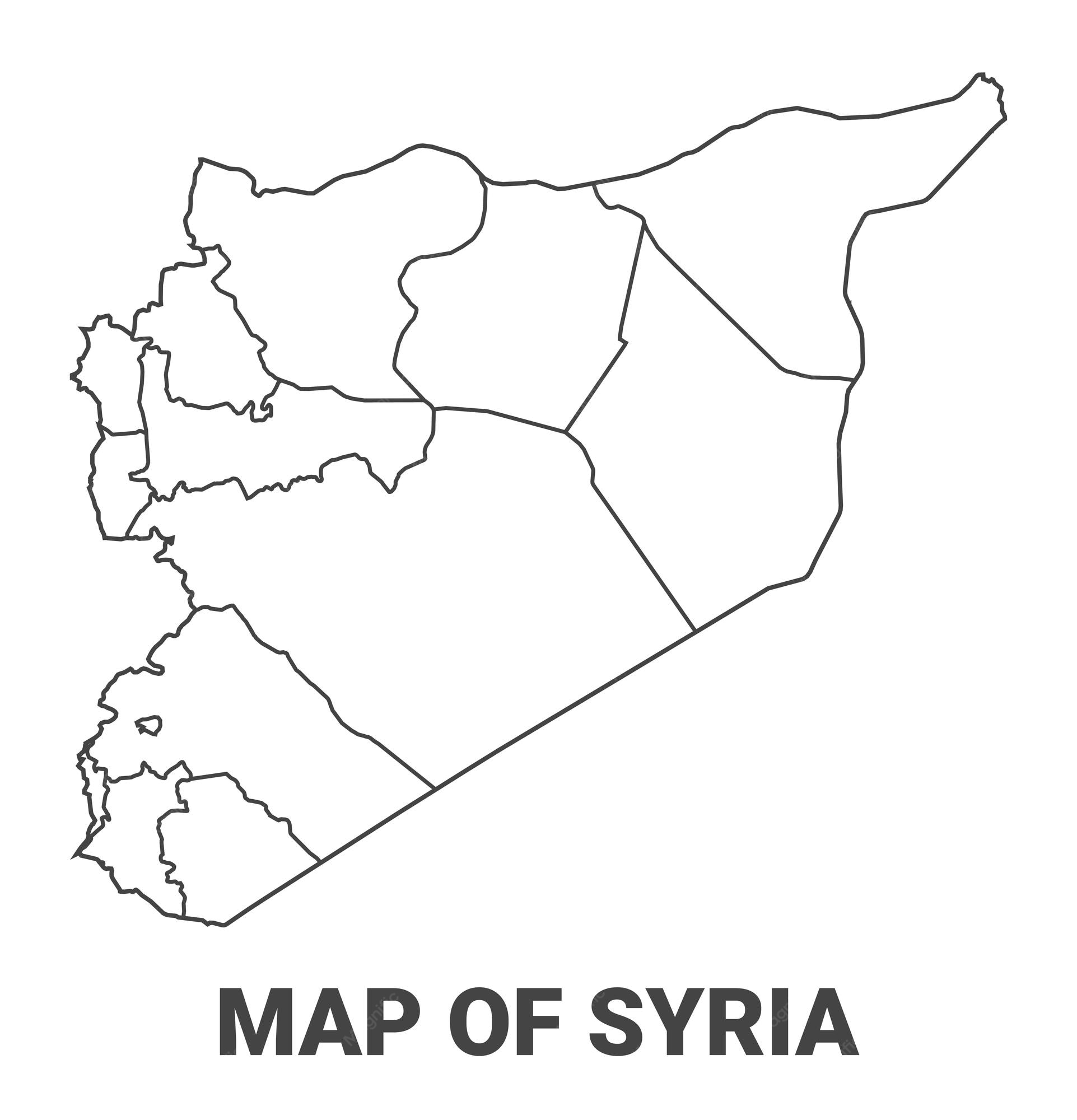
A document titled “DOW‑UAP‑PR31, Unresolved UAP Report, Syria, October 2024” has been released under the Pentagon’s PURSUE declassification program. The report, prepared by U.S. Central Command and forwarded to the All‑domain Anomaly Resolution Office (AARO), consists of a brief five‑second video clip captured by a full‑motion video (FMV) camera mounted on a U.S. military platform in 2024.
The accompanying mission report, designated DoW‑UAP‑D32, characterises the observed object as a “misshapen and uneven ball of white light.” It also notes a “light/glare halo effect” that appeared at the top of the FMV feed during the recording. The video description in the document states that an indistinct, multi‑coloured shape traverses the sensor display from right to left across the upper edge within the first second of footage. The description is expressly qualified as informational only and does not constitute an analytical judgment or definitive conclusion about the phenomenon’s nature, origin, or significance.
While the report confirms the incident occurred over Syrian territory, it does not disclose the precise date of the sighting. The mission narrative, classified at the SECRET level and marked with caveats REL TO USA, FVEY, outlines routine operational details—take‑off, tasking, and FMV/SIGINT collection—but provides no further insight into the unidentified object.
The declassification was authorized by MG Richard A. Harrison, USCENTCOM Chief of Staff, on 24 October 2025. The release underscores the ongoing role of AARO, an office within the Office of the Secretary of Defense tasked with investigating unidentified aerial, maritime, space and land phenomena. AARO’s current director is Jon T.
Kosloski; its inaugural director was physicist Sean Kirkpatrick, who reported to former Deputy Defense Secretary Kathleen Hicks. According to publicly available information, AARO coordinates with multiple military and intelligence agencies to analyse data from UAP encounters.
The publication of DOW‑UAP‑PR31 suggests that the office is actively processing sightings reported by combatant commands, and that it is pursuing a policy of greater transparency through the PURSUE program. Critics note that the document’s limited content leaves many questions unanswered. The description of a “misshapen and uneven ball of white light” and the brief halo effect provide only a minimal visual account, without any assessment of possible explanations—whether atmospheric, technical, or otherwise.
The lack of a definitive investigative conclusion means the event remains classified as “unresolved.” Nevertheless, the release serves as a concrete example of the procedural framework the U.S. military employs for reporting and documenting anomalous sightings. By making the video and mission report publicly available, the Department of War signals a willingness to share raw data while still safeguarding classified analyses.
Future disclosures under PURSUE are expected to shed additional light on similar incidents. Observers are encouraged to monitor forthcoming releases for further details on the scope of AARO’s investigations and any subsequent findings related to this Syrian UAP encounter.


